In the sophisticated enclave of Sydney’s Lower North Shore, the standard for luxury is constantly evolving. As we move through 2026, the residents of the 2088 postcode are no longer satisfied with “off-the-shelf” bouquets. To find the best florist in Mosman, one must look beyond the simple retail storefront and toward the studios practicing high-concept floral artistry.
Today, a floral arrangement is more than a gift; it is a curated experience. Whether it’s a minimalist sculptural piece for a contemporary home on Military Road or a lavish installation for a waterfront wedding at Balmoral, the shift toward bespoke design is undeniable. In this guide, we explore the elements that define the pinnacle of floristry in Mosman and why “artistry” has become the primary metric for quality.
Defining Bespoke Floral Artistry in 2026
Bespoke floral artistry is the practice of creating one-of-a-kind botanical designs tailored specifically to a client’s environment, emotion, and aesthetic preference. Unlike traditional floristry, which often relies on repeatable “recipe” bunches, bespoke artistry treats every stem as a structural element in a living piece of art.
The Evolution of the Mosman Aesthetic
Historically, Mosman has favored classic, dense arrangements of roses and lilies. However, 2026 has ushered in a new era of Sculptural Minimalism. This trend emphasizes:
Negative Space: Allowing the air between the flowers to define the shape.
Architectural Forms: Using stems with natural bends and “imperfect” curves.
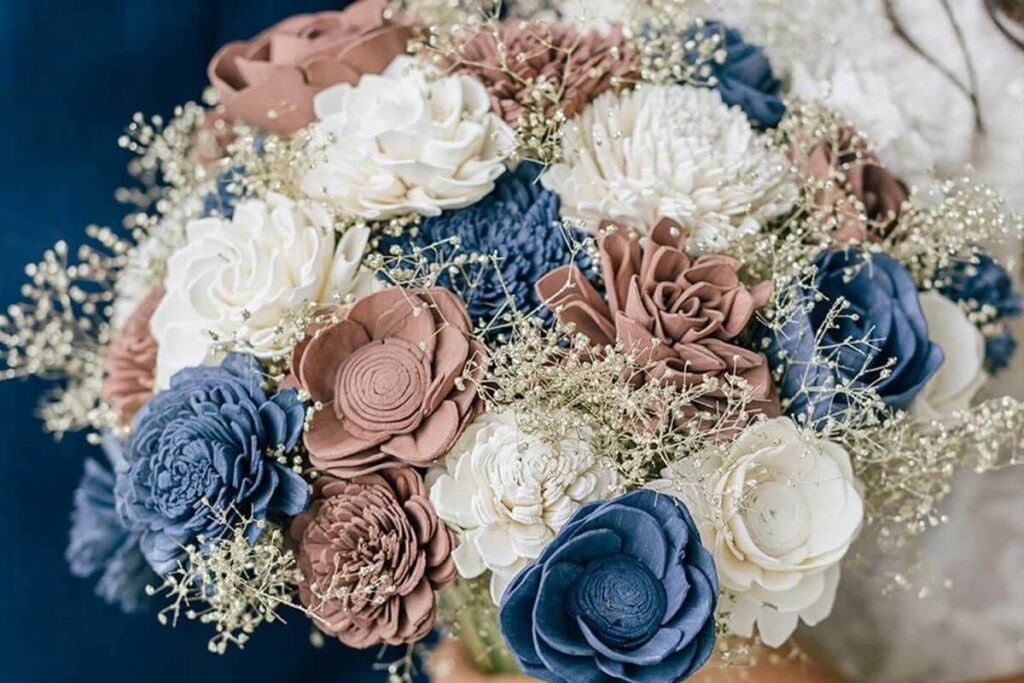
Monochromatic Depth: Layering different textures of the same color to create sophisticated visual interest.
Why Bespoke Artistry is the Gold Standard in 2026
The reason the best florist in Mosman now focuses on artistry over volume comes down to three core pillars: personalization, sustainability, and the “Slow Flower” movement.
1. Curated Choice vs. Decision Fatigue
In an era of instant gratification, luxury consumers are pivoting toward “curated trust.” Instead of choosing from a catalog of 50 identical bouquets, Mosman clients prefer to provide a mood—such as “Refined Coastal” or “Moody Balmoral Twilight”—and allow the floral craftsman to select the best seasonal blooms of the morning.
2. The Rise of Sustainable Luxury
Sustainability is no longer a “nice-to-have”; it is a prerequisite for the title of best florist. Top-tier studios in 2026 have moved entirely away from floral foam (which contains microplastics) in favor of:
Reusable Mechanics: Using kenzans (flower frogs) and coated chicken wire.
Compostable Packaging: Swapping plastic sleeves for premium pH-neutral paper and silk ribbons.
Local Sourcing: Prioritizing NSW-grown wildflowers and natives over imported stems that carry a heavy carbon footprint.
In the premium homes of Mosman, flowers are viewed as temporary interior design. A bespoke artist considers the height of the ceilings, the color of the marble countertops, and the lighting of the room before the first stem is even cut.
Key Trends Shaping Mosman Floristry This Year
To remain the best florist Mosman has to offer, designers are embracing specific 2026 trends that resonate with the local lifestyle.
Trend
Description
Best For
Mud Pastels
Desaturated tones like mauve, clay, and dusty rose.
Modern minimalist apartments.
Fruit & Flora
Incorporating pomegranates or figs into floral displays.
Decadent dinner parties.
Australian Natives 2.0
Banksias and Waratahs paired with delicate orchids.
Long-lasting corporate displays.
Vertical Motion
Tall, winding lines that draw the eye upward.
Grand entryways and foyers.
How to Identify the Best Florist in Mosman
When searching for a floral partner, use this framework to ensure you are receiving true artistry rather than a mass-produced product.
Check for E-E-A-T (Experience, Expertise, Authoritativeness, Trust)
The “Market Fresh” Guarantee: Does the florist visit the Sydney Flower Markets daily, or do they rely on weekly deliveries?
Portfolio Variety: Look for a gallery that shows diverse styles. A true artist doesn’t have a “signature look” that they force onto every client; they have a signature quality that adapts.
Technical Mastery: Ask about their mechanics. A florist who can create a 2-meter installation without using toxic floral foam demonstrates superior technical skill.
The Consultation Process
The best florists will ask you about the vessel and the space. They understand that a wide-mouthed ceramic pot requires a different structural approach than a narrow crystal vase.
Common Mistakes When Ordering Premium Flowers
Avoid these pitfalls to ensure your investment in floral artistry pays off:
Ordering by “Flower Name” only: Asking for “roses” in July may result in inferior imports. Instead, ask for “what is peak-season and premium today.”
Neglecting the Vessel: Using an ill-fitting vase can ruin the proportions of a professional design. Many top Mosman florists offer a “vase swap” service.
Ignoring the Scent: In 2026, many mass-produced flowers have had their scent bred out of them for longevity. Bespoke artists prioritize heirloom varieties that retain their natural fragrance.
Frequently Asked Questions
What makes a florist “the best” in Mosman?
The best florist is defined by their ability to source local, seasonal blooms and transform them into bespoke arrangements that reflect the recipient’s personality and the specific architecture of the 2088 area.
Do Mosman florists offer same-day delivery?
Yes, most premium florists in Mosman offer same-day delivery if ordered before 12:00 PM or 1:00 PM. However, for bespoke artistry, 24-hour notice is often preferred to source specific rare stems.
Why are bespoke flowers more expensive than supermarket bunches?
Bespoke flowers involve higher-grade “A-list” stems, sustainable mechanics, and the labor of a skilled designer who spends time on the structural integrity and artistic composition of the piece.
How long should a premium arrangement last?
Depending on the variety, a high-quality arrangement should last between 5 to 10 days. Native Australian blooms often last significantly longer, sometimes up to two weeks.
Is floral foam still used in 2026?
Many leading Mosman florists have phased out floral foam due to environmental concerns, choosing “foam-free” techniques that are better for the planet and help flowers hydrate more naturally.
Conclusion: Investing in the Best Florist in Mosman
Choosing the best florist in Mosman is an exercise in discerning quality over quantity. In 2026, the shift toward bespoke floral artistry reflects a broader movement toward intentionality, sustainability, and authentic luxury. When you choose a florist who treats their work as art, you aren’t just sending flowers—you are sending a statement of taste and a moment of genuine connection.
What Are Custom Patches and Why Is Their Backing Important?
Custom patches have become essential elements in personalising clothing, accessories, and promotional items across industries. From military uniforms and corporate apparel to fashion statements and collectible merchandise, these embroidered or woven designs serve both functional and aesthetic purposes.
The backing of a patch refers to the material layer attached to its reverse side. This component determines three critical factors:
Application method – whether you’ll sew, iron, stick, or magnetically attach the patch
Durability – how long the patch remains securely fastened through wear and washing
Versatility – whether the patch can be removed, repositioned, or swapped between garments
Selecting appropriate backing for custom iron on patches directly impacts how well your patches perform in their intended environment. A military uniform requiring frequent patch changes demands different backing than a promotional jacket patch meant to last years. The fabric receiving custom iron on patches also plays a crucial role—cotton responds differently to heat-activated adhesives than leather or nylon.
Understanding backing options transforms patch selection from guesswork into informed decision-making. The right backing ensures your patches stay attached when needed, look professional throughout their lifespan, and apply easily to your chosen surface without damaging the underlying material.
What Are the Different Types of Backing Available for Custom Patches?
There are seven main types of patch backing that serve different purposes in the world of custom patches. Each backing option has its own unique qualities that determine how patches attach to clothing, how long they last, and how they can be used practically.
1. Plastic Backing
Plastic backing consists of a thin, matte plastic layer that provides structural support to embroidered, woven, or dye-sublimated patches. This backing type maintains the patch’s shape and prevents distortion during the sewing process. The rigid foundation proves particularly valuable for intricate designs that require dimensional stability. Manufacturers commonly pair plastic backing with traditional sew-on applications, creating patches that retain their professional appearance even after repeated handling and washing.
2. Iron-On Backing
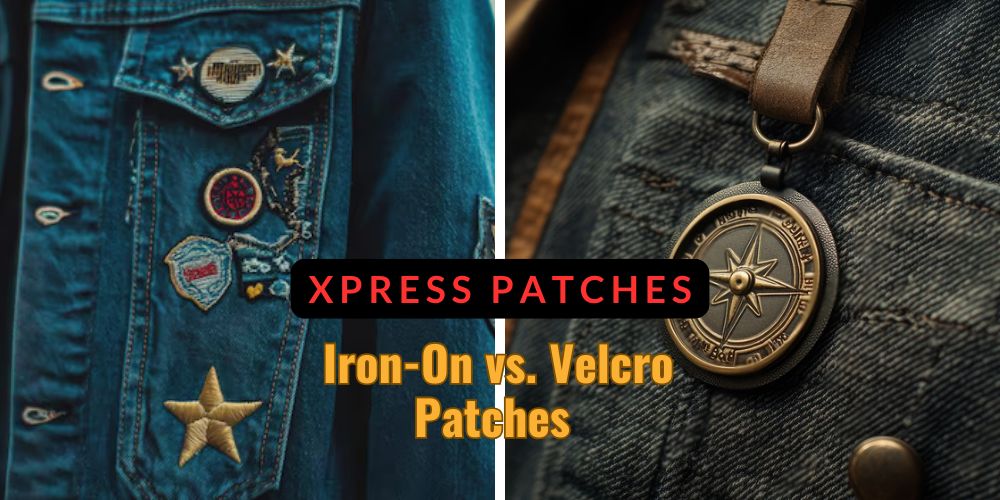
Heat-activated adhesive defines iron-on backing, allowing patch attachment through simple household iron application. The thermoplastic adhesive melts when exposed to heat, bonding the patch directly to fabric fibres. This backing type eliminates the need for sewing skills or specialised equipment, making it the most accessible option for home crafters and casual users. Iron-on patches typically endure 25-30 wash cycles before adhesive strength diminishes, though sewing around the edges extends their lifespan considerably.
3. Velcro Backing
The hook-and-loop system of velcro backing revolutionised patch versatility in professional settings. The hook component (rough, scratchy side) attaches permanently to the patch, whilst the loop component (soft, fuzzy side) secures to the garment. This two-part system enables instant removal and repositioning without damaging either the patch or fabric. Military personnel, law enforcement officers, and tactical professionals favour this backing for its flexibility in displaying rank insignia, unit identifications, and morale patches that change based on assignment or preference.
4. Self-Stick Backing
Adhesive-coated self-stick backing functions identically to standard stickers, featuring a peel-away protective layer that reveals sticky backing. This temporary solution suits single-event applications, promotional giveaways, and situations requiring quick attachment without permanent commitment. The adhesive weakens progressively with exposure to moisture, heat, and repeated handling, making it unsuitable for garments requiring regular laundering.
How Does Fabric Type Influence the Choice of Patch Backing?
The fabric you’re attaching a patch to directly determines which backing types will work effectively and which will fail. Each material has unique properties—texture, heat tolerance, weave density, and flexibility—that interact differently with adhesives, heat, and stitching methods.
Cotton Patches and Fabric Compatibility
Cotton stands as the most versatile fabric for patch backing compatibility. The natural fibres create an ideal surface for heat-activated adhesives, making iron-on backing particularly effective on cotton patches and cotton garments. The fabric’s ability to withstand high temperatures without melting allows the adhesive to bond properly during application. Sew-on options with plastic backing also perform exceptionally well on cotton, as the needle passes through the material cleanly without causing runs or tears. Even temporary adhesive backings grip cotton’s textured surface more reliably than smoother synthetics.
Synthetic Fabrics Require Specific Backing Solutions
Nylon patches and polyester fabrics present distinct challenges that rule out certain backing types entirely. Iron-on backing fails on these materials because the heat required to activate the adhesive often melts or warps the synthetic fibres, creating permanent damage. The smooth, tightly-woven surface of nylon also prevents adhesives from gripping effectively, causing patches to peel away after minimal wear.
Sew-on backing with plastic support becomes the primary choice for synthetics, providing secure attachment without heat exposure. Velcro backing offers another excellent solution, particularly for nylon patches used in tactical or outdoor applications where the fabric’s water resistance and durability matter most. The hook-and-loop system mechanically fastens to the fabric without relying on adhesion or heat bonding.
Leather and Vinyl Demand Robust Attachment Methods
Leather patches and vinyl materials require the strongest attachment methods available. These dense, non-porous surfaces reject adhesives almost entirely, making iron-on and self-stick backings completely unsuitable. The material’s thickness and resistance to penetration mean that sewing requires specialised needles and considerable force.
Sew-on backing remains the gold standard for leather applications, though the process demands heavy-duty thread and careful technique to avoid tearing. Vel
Which Backing Types Offer the Best Durability for Long-Term Use?
Sew-on patches with plastic backing deliver the highest durability for long-term applications. The combination of stitched attachment and rigid plastic support creates a bond that withstands years of wear, frequent washing, and harsh conditions without degradation.
Ranking Durable Patch Backings by Longevity
When selecting long-lasting patches, understanding the lifespan of each backing type helps match your needs with the right option:
1. Sew-on with Plastic Support (Most Durable)
Remains secure indefinitely when properly stitched
Plastic layer prevents fraying and maintains shape integrity
Survives industrial washing cycles and heavy-duty use
Ideal for uniforms, workwear, and heirloom items
2. Iron-On Backing (Moderate Durability)
Maintains adhesion for approximately 25-30 wash cycles
Heat and detergent gradually weaken the adhesive bond
Performance varies based on water temperature and washing frequency
Longevity depends entirely on stitching quality and hook-loop integrity
Professional stitching provides years of reliable attachment
Hook material may accumulate lint, reducing grip strength
Loop side typically outlasts hook side in durability
4. Pin Backing (Reusable but Limited)
Metal components resist corrosion and maintain function
Butterfly clutches may loosen with repeated use
Creates small holes in fabric over time
Best suited for occasional wear rather than daily use
5. Adhesive Backings (Shortest Lifespan)
Self-stick patches weaken after 5-10 washes
Moisture and heat accelerate adhesive breakdown
Magnetic backings maintain hold but limited to lightweight patches
Designed for temporary or single-event applications
Factors Affecting Patch Backing Durability
The washing method dramatically impacts how long durable patch backings maintain their integrity. Hand washing extends the life of iron-on and adhesive options, whilst machine washing on gentle cycles with cold water preserves.
What Are the Advantages and Limitations of Iron-On Backing?
Iron-on patches offer unmatched convenience for home application, requiring only a household iron and a few minutes to permanently attach patches to fabric. The heat-activated adhesive bonds quickly to compatible materials, making them ideal for DIY enthusiasts, parents adding patches to children’s clothing, or anyone seeking a no-sew solution.
Key Advantages of Iron-On Patches
Simple application process stands as the primary benefit. Position the patch, apply heat with an iron for 30-45 seconds, and the adhesive creates a strong bond without threading needles or visiting a tailor. This accessibility makes iron-on backing particularly attractive for:
Quick repairs and customisation projects at home
Adding patches to children’s uniforms or school bags
Cost-effectiveness represents another significant advantage. Iron-on patches eliminate professional application fees, allowing bulk customisation without additional labour costs. Many users successfully apply dozens of patches in a single session, perfect for team uniforms or promotional giveaways.
The backing also provides moderate durability for everyday wear. When properly applied to suitable fabrics, iron-on patches withstand 25-30 wash cycles before showing signs of lifting or adhesive degradation. Reinforcing the edges with basic stitching extends this lifespan considerably.
Critical Limitations to Consider
Fabric compatibility severely restricts iron-on patch applications. The heat-activated adhesive fails to bond effectively with:
Nylon and other synthetic materials that melt under high heat
Leather and vinyl surfaces that cannot absorb the adhesive
Corduroy fabrics where ridges prevent uniform contact
Waterproof or treated materials with protective coatings
Attempting to iron patches onto incompatible fabrics results in poor adhesion, potential fabric damage, or melted synthetic fibres. Cotton, cotton blends, and denim remain the safest choices for iron-on backing.
Temperature sensitivity poses ongoing challenges. Excessive heat during application can scorch delicate fabrics or melt the patch itself, whilst insufficient heat prevents proper bonding. Different fabric weights require adjusted iron temperatures, creating a learning curve for
When Is Velcro Backing the Most Practical Choice?
Velcro backing becomes the most practical choice when you need the flexibility to remove, swap, or reposition patches frequently. The hook and loop system consists of two components: the rough hook side sewn directly onto your patch, and the soft loop side attached to your garment, creating a secure yet easily detachable bond.
The velcro patch benefits shine in professional environments where personnel must adapt their identification quickly. Military uniforms exemplify this perfectly—service members can swap unit patches, rank insignia, or flag patches within seconds when transferring between assignments or updating their credentials. Law enforcement officers similarly benefit from this system, allowing them to modify patches for different duties, specialised units, or ceremonial occasions without maintaining multiple uniforms.
The hook and loop system offers distinct advantages beyond simple removal:
Instant customisation without tools or heat application
Preservation of garment integrity since you’re not repeatedly sewing and removing patches
Cost-effective rotation of seasonal or promotional patches on the same base garment
Reduced wear on expensive uniforms from constant needle punctures
Tactical gear users particularly value velcro backing because it accommodates the dynamic nature of their work. A single jacket can display different team identifiers, morale patches, or operational insignia depending on the mission requirements. Emergency services personnel also adopt this backing type, enabling quick identification changes between departments or roles.
Velcro backing comes in two configurations: single-sided (hook only) or double-sided (fuzzy material on both sides). Single-sided velcro requires you to sew or attach loop material to your garment first, whilst double-sided options provide more versatility by adhering to any compatible velcro surface.
The durability of velcro-backed patches depends heavily on the stitching quality securing the hook material to the patch. Well-constructed velcro patches withstand hundreds of attachment cycles and regular washing when properly maintained. The adhesive strength remains consistent across temperature variations, making velcro suitable for outdoor gear, sports uniforms, and workwear exposed to challenging conditions.
How Suitable Are Self-Stick and Pin Backings for Temporary Applications?
Self-stick and pin backings excel when you need a patch for short-term use without permanent attachment. These temporary patch backings offer the flexibility to apply and remove patches without damaging the underlying fabric, making them ideal for situations where commitment isn’t required.
Self-Stick Backing
Self-stick backing functions like a sticker, featuring an adhesive layer protected by a peel-away film. This backing type works perfectly for:
Single-day events such as conferences, trade shows, or festivals
Promotional campaigns with limited duration
Testing patch placement before committing to permanent attachment
Rental uniforms or borrowed garments
Children’s costumes that change frequently
The adhesive strength varies by manufacturer, but most self-stick patches maintain their grip for several hours to a few days. Heat, moisture, and repeated handling gradually weaken the bond. Washing typically destroys the adhesive completely, rendering the patch unusable for reattachment. Some users apply self-stick patches to smooth, non-fabric surfaces like laptop cases or folders, where they perform better than on textured materials.
Pin Backing
Pin backing transforms patches into wearable accessories similar to brooches or badges. A metal pin protrudes from the back of the patch, secured by a butterfly clutch or similar fastener. This backing type suits:
Jackets and bags where pin holes won’t cause concern
Rotating patch displays on the same garment
Collectible patches that move between different items
Professional settings requiring daily uniform changes
Delicate fabrics that shouldn’t endure heat or adhesives
Pin backings offer unlimited reusability—the same patch can transfer between dozens of garments without losing functionality. The main limitation involves the small holes left in fabric after removal, though these typically close on their own in most materials. Heavier patches may sag or tilt on lightweight fabrics, and the pins can catch on other items during storage or wear.
Common Advantage
Both backing types share a common advantage: they require no special tools, skills, or preparation. Anyone can apply a self-stick patch in seconds or attach a pin-backed patch with minimal effort. This accessibility makes them popular choices for last-minute needs or situations where sewing equipment isn’t available.
What Unique Applications Do Button Loop and Magnetic Backings Serve?
Button Loop Patches: A Time-Honoured Solution
Button loop patches scouting badges represent a traditional attachment method where a twisted fabric loop extends from the patch’s back, designed to hook around a button. This backing style earned its reputation through decades of use in scouting organisations, where merit badges hang from uniform shirts using existing buttons. The system allows young scouts to display their achievements without requiring sewing skills or parental assistance.
The button loop method works best when garments already feature strategically placed buttons. Scout uniforms typically include dedicated button placements for this purpose. Youth organisations favour this approach because children can independently add or rearrange their patches, fostering a sense of accomplishment and ownership over their uniform displays.
Magnetic Backings: A Versatile Alternative
Magnetic backings deliver a completely different solution, eliminating the need for any sewing, heating, or piercing of fabric. These patches contain a small, powerful magnet sandwiched between the patch face and backing material. An oppositely charged magnet disc sits on the garment’s reverse side, creating a secure hold through the fabric layers.
The magnetic patch advantages novelty use become apparent in several specific scenarios:
Delicate fabrics: Silk, chiffon, or vintage textiles that shouldn’t be punctured or exposed to heat
Rental garments: Costumes or formal wear where permanent alterations aren’t permitted
Frequent rotation: Collections displayed on jackets or bags where users want daily variety
Children’s clothing: Quick attachment without sharp pins that pose safety risks
Promotional events: Staff or attendee identification that needs rapid distribution and collection
Magnetic backings shine in novelty applications where the patch serves as a conversation piece rather than a permanent garment feature. Trade show vendors distribute magnetic patches knowing recipients can immediately attach them to clothing without tools. Businesses use them for temporary employee identification during special events.
The strength of magnetic backings varies based on patch size and magnet quality. Smaller patches (under 5cm) hold securely on most fabric weights. Larger patches may require multiple magnet points or stronger rare-earth magnets. Thick fabrics like heavy denim or winter coats can reduce magnetic grip, making this backing less reliable for outdoor work uniforms.
Button loop patches maintain their niche in traditional youth organisations and ceremonial settings where preserving garment integrity is paramount.
How to Choose Between Permanent and Removable Patch Backings
Deciding between permanent and removable patch backings depends on a few factors:
How often you’ll need to reposition or swap patches
The intended lifespan of the garment
Whether you value flexibility over long-term security
Permanent backings like plastic-backed sew-on options, which can be learned more about in this guide on how to sew a patch, create lasting bonds. On the other hand, removable backings such as Velcro, pins, or magnets allow for frequent changes.
Garment Type and Ownership
Do you own the garment or uniform you’re attaching patches to? Rental uniforms, work clothing provided by employers, or borrowed items require removable solutions to avoid permanent alterations. Velcro or pin backings preserve the original garment’s condition, making them ideal for temporary assignments or seasonal work positions.
Personal clothing offers more freedom. If you’re customising a favourite jacket you plan to keep for years, sew-on backing with plastic support delivers maximum durability. For fashion-forward individuals who rotate patches based on trends or moods, Velcro or magnetic options provide the flexibility to refresh looks without commitment.
Usage Frequency and Laundering Demands
How often will the patched item face washing machines and dryers? Garments requiring frequent laundering—such as work uniforms, children’s clothing, or sports gear—benefit from considerations that prioritise durability. Sew-on backing withstands hundreds of wash cycles, while iron-on backing maintains adhesion through 25-30 washes before potentially requiring reinforcement.
Items worn occasionally or displayed rather than washed suit removable backings. Collector jackets, ceremonial uniforms, or decorative bags rarely see washing machines, making the reduced durability of adhesive, pin, or magnetic backings acceptable trade-offs for convenience.
Collection and Display Purposes
Are you building a patch collection you’ll want to reorganise or showcase differently over time? Collectors often prefer removable backings that allow patches to move between display boards, garments, and storage without damage. Pin backings transform patches into wearable art that transitions from denim jackets to canvas bags to felt boards.
Military personnel, law enforcement officers, and outdoor enthusiasts may also find value in removable backings for their specific needs. Tactical gear often requires adaptability in order to accommodate different missions or environments. By opting for Velcro or magnetised patches on uniforms or backpacks, these individuals can easily swap out insignias based on operational requirements while maintaining a professional appearance.
Conclusion
Selecting the right backing transforms a custom patch from a simple accessory into a functional, long-lasting addition to your garment or item. The Definitive Guide to Choosing the Right Backing for Your Custom Patches emphasises one critical principle: your intended use should always drive your backing choice.
Before committing to a backing type, ask yourself these essential questions:
Will this patch remain on one garment permanently, or does it need to move between items?
How frequently will the item be washed or exposed to wear?
What fabric will host the patch?
Does the application method need to be simple enough for home use?
Is professional appearance or casual flexibility more important?
The choosing custom patch backing summary best practices boil down to matching your specific requirements with the appropriate backing characteristics. A military uniform demands the flexibility of Velcro, whilst a treasured jacket deserves the permanence of sewn-on patches with plastic backing. Event merchandise works perfectly with self-stick backing, and children’s clothing benefits from the simplicity of iron-on options.
Test your backing choice on a small fabric sample when possible, particularly for valuable or delicate materials. This simple step prevents disappointment and ensures your patch performs exactly as expected.
Your patch represents your brand, achievement, or personal style. The backing you choose determines whether it stays securely in place through years of use or falls off after the first wash. Take the time to assess your needs, consult this guide when uncertain, and select the backing that aligns with both your practical requirements and long-term expectations. The right backing choice ensures your custom patch looks professional and performs flawlessly for its entire lifespan.
What Are Acrylic Pins and Why Should Artists Choose Them?
Acrylic pins are lightweight, durable accessories created by printing designs onto clear acrylic sheets and cutting them into custom shapes. Artists have embraced these pins as an affordable way to transform their illustrations, characters, and designs into wearable merchandise that fans can collect and display.
The material makes all the difference. Most quality acrylic pins use 3mm recycled clear acrylic sourced from plastics that would otherwise end up in landfill or incinerators. This recycled material performs identically to virgin acrylic whilst being VOC and HFC free, making it an environmentally responsible choice without compromising on quality.
The sustainable acrylic pins approach offers distinct advantages:
Cost-effectiveness: Recycled acrylic material typically costs less than virgin alternatives, allowing artists to produce pins at lower price points
Environmental impact: Diverts plastic waste from landfill and reduces the need for new plastic production
Quality assurance: The 3mm thickness provides durability and a premium feel that customers appreciate
Clear printing surface: The transparent acrylic allows for vibrant colour reproduction and crisp detail
Using sustainable materials adds tangible value to your final product. Customers increasingly seek eco-conscious merchandise, and being able to market your pins as made from recycled materials can differentiate your work in a crowded marketplace. Artists who prioritise sustainability often find their audience more engaged and willing to support their creative endeavours.
The benefits of acrylic pin extend beyond environmental considerations. The material is scratch-resistant, won’t fade over time, and maintains its clarity for years. This longevity means customers receive a product that preserves your artwork’s integrity, building trust in your brand and encouraging repeat purchases.
How Should Artists Prepare Their Artwork for Acrylic Pins?
Artwork preparation for pins begins with creating or converting your design to a high-resolution digital file at minimum 300dpi. This resolution ensures crisp, professional-looking prints where every detail of your artwork translates clearly onto the acrylic surface. Lower resolution files will appear pixelated or blurry when printed, diminishing the quality of your final product.
Understanding Resolution Requirements
The 300dpi standard exists because acrylic pins showcase artwork at actual size without reduction. When viewers examine your pin up close, they’ll notice any quality compromises immediately. High-resolution digital art maintains colour accuracy, preserves fine lines, and ensures text remains legible even at small sizes.
Digital artwork created in vector format (such as Adobe Illustrator files) can be scaled infinitely without quality loss. Raster images from Photoshop or similar programmes require careful attention to both resolution and physical dimensions from the start.
Matching Artwork Size to Pin Dimensions
Your digital canvas should match your intended pin size exactly, accounting for the 300dpi requirement. A 2-inch pin requires artwork measuring 600 pixels by 600 pixels at minimum (2 inches × 300dpi). Creating artwork larger than needed provides flexibility, whilst undersized files cannot be enlarged without quality degradation.
Consider these sizing guidelines:
Small pins (1-1.5 inches): 300-450 pixels per side
Medium pins (2-2.5 inches): 600-750 pixels per side
Large pins (3+ inches): 900+ pixels per side
Leave a small margin around your main design elements. This buffer zone prevents important details from being lost during the cutting process.
Choosing Optimal File Formats
PNG files work best for most acrylic pin designs, particularly those featuring transparency or sharp edges. The format supports transparent backgrounds, allowing your design to appear as a custom cut-out shape rather than a rectangular pin.
JPEG files suit photographic artwork or designs without transparency needs, though they use compression that can introduce subtle quality loss. For artwork preparation for pins, save JPEGs at maximum quality settings (10 or 100% in most programmes).
What Happens During the Artwork Submission and Proofing Process for Acrylic Pins?
1. Artwork Submission
The artwork submission process typically begins with uploading your digital files through the manufacturer’s online portal or email system. Most reputable manufacturers provide artwork setup services at no additional cost, handling the technical preparation needed to transform your design into a production-ready file. This service removes the burden of understanding complex printing specifications, allowing you to focus on your creative work.
2. Setup Team Review
The setup team examines your submitted artwork for potential issues such as colour accuracy, resolution quality, and proper sizing. They adjust the file to ensure optimal printing results on the 3mm recycled acrylic surface. If your design requires modifications—such as adding bleed areas, adjusting colour profiles, or resizing elements—the team makes these changes and documents them for your review.
3. Digital Proof Approval
Digital proof approval serves as your final checkpoint before production begins. The manufacturer generates a detailed digital mockup showing exactly how your design will appear on the finished pin, including:
Precise dimensions and shape outline
Colour representation as it will print on clear acrylic
Placement of pin backing attachment points
Any white underprinting or special effects
This proof arrives via email, usually within 24 to 48 hours of your initial submission. The digital representation allows you to catch errors, request colour adjustments, or modify design elements before any physical production occurs.
4. Best Practices for Reviewing Your Proof
Examine your proof on a calibrated monitor in good lighting conditions. Check that all text remains legible at the pin’s actual size, paying special attention to small fonts or intricate details. Verify that colours match your original vision, keeping in mind that acrylic’s transparent nature may affect how certain hues appear.
Compare the proof dimensions against your original specifications. Confirm that critical design elements sit within safe zones, avoiding areas where the pin backing will attach. Look for any unexpected white spaces, cut lines, or background elements that may have been added during setup.
It’s important to remember that you may need to submit an artwork proof during this process for necessary adjustments based on feedback from the manufacturer. Request revisions promptly if needed; most manufacturers allow multiple proof rounds without additional charges, though each revision extends your production timeline. Once satisfied with the adjustments made following the proof approval process, provide explicit written approval—typically through email confirmation or an online approval system—to authorise production to proceed.
How Are Acrylic Pins Manufactured from Digital Artwork?
The acrylic pin manufacturing process transforms your approved digital design into a physical product through advanced printing and precision cutting techniques. Once you’ve approved the digital proof, manufacturers begin production by printing your artwork directly onto 3mm recycled clear acrylic sheets using specialised UV digital printers that ensure vibrant, long-lasting colours.
Digital Printing on Acrylic
The printing stage uses high-resolution UV printing technology that bonds ink directly to the acrylic surface. This method produces sharp, detailed images with excellent colour accuracy that matches your original artwork. The UV curing process happens instantly, meaning the ink dries immediately upon contact with the acrylic, preventing smudging and ensuring durability.
White ink serves as a base layer beneath coloured designs, creating opacity and preventing transparency where your artwork requires solid colours. This underlayer ensures your design appears exactly as intended, even on clear acrylic material.
Custom Cutting Pins
After printing, the acrylic sheets move to precision cutting equipment that shapes each pin according to your specifications. Manufacturers typically use one of two methods:
Laser cutting for intricate designs with detailed edges and complex shapes
CNC routing for larger production runs requiring consistent, clean cuts
The cutting process follows the exact outline you’ve specified in your artwork file. Manufacturers can accommodate virtually any shape, from simple circles and squares to elaborate character silhouettes and custom designs with multiple points and curves.
Finishing and Assembly
Each cut acrylic piece undergoes quality inspection before assembly. Manufacturers attach sturdy metal pin backs to the reverse side using industrial-grade adhesive that creates a permanent bond. Standard butterfly clutch backs provide basic security, whilst locking pin backs offer enhanced protection against accidental loss.
The attachment process positions the pin back strategically to ensure proper balance when worn. For larger or irregularly shaped pins, manufacturers may recommend specific placement to prevent tilting or drooping when attached to fabric
Why Is Ordering Samples Before Full Production Recommended for Acrylic Pins?
Ordering sample pins allows you to physically hold your design and assess whether it meets your expectations before committing to a larger production run. Prototype acrylic pins reveal details that digital proofs simply cannot show—how colours appear on clear acrylic, whether fine lines remain crisp, and how the overall size feels in hand.
What Can You Learn from Quality Check Samples?
Physical samples expose potential issues invisible on screen. The translucency of recycled acrylic affects colour vibrancy differently than paper or fabric products. Dark designs may appear lighter when printed on clear material, whilst certain colour combinations might create unexpected visual effects when light passes through the pin.
Key aspects to evaluate in your sample:
Colour accuracy – Compare the physical pin against your original artwork to check if adjustments are needed
Size appropriateness – Verify the dimensions work for your intended use and audience
Edge quality – Inspect the custom cutting precision around your design’s contours
Pin backing security – Test the attachment mechanism to ensure it functions properly
How Do Samples Prevent Costly Production Mistakes?
Ordering a single prototype acrylic pin costs significantly less than discovering flaws after manufacturing hundreds of units. Artists often find that elements requiring adjustment only become apparent when viewing the three-dimensional product. Text might be smaller than anticipated, or a design element that looked perfect digitally may need repositioning on the physical pin.
Manufacturers typically store your artwork files for several months after producing samples. This storage system enables quick reordering once you approve the sample, eliminating the need to resubmit files or repeat the setup process. You can request specific modifications based on your sample evaluation, ensuring the final production run matches your vision exactly.
When Should You Order Multiple Sample Variations?
Artists creating several designs simultaneously benefit from ordering samples of each variation. This approach helps maintain consistency across a collection, ensuring all pins share similar quality standards and visual impact. Testing different sizes of the same design also proves valuable—a complex illustration might work beautifully as a larger pin but lose detail when scaled down.
How Long Does It Take to Produce and Deliver Acrylic Pins?
Acrylic pin production time usually takes between 5 to 7 working days after you approve the digital proof. This time includes the entire manufacturing process, from printing your design onto recycled acrylic sheets to cutting and attaching the metal pin backs.
The production clock starts only when you’ve given final approval on your digital proof. Any delays in reviewing or requesting changes to the proof will extend the overall timeline. Manufacturers usually send proofs within 24 to 48 hours of receiving your artwork, so quick feedback keeps your project moving forward.
What Factors Affect Production Speed?
Several things can affect how quickly your pins are made. According to this article, some of the main factors include:
Order complexity – Multiple designs or intricate cutting shapes may require additional processing time
Order quantity – Larger volumes sometimes need extra production days, though many manufacturers maintain consistent timelines regardless of quantity
Peak seasons – Holiday periods or convention seasons can increase demand and extend production schedules
Revision requests – Changes made after initial proof approval restart the production timeline
How Do Shipping Times for Pins Vary?
Shipping times for pins depend heavily on where you are located and which delivery service you choose. Domestic orders within the UK usually arrive within 2 to 5 working days using standard postal services. Express shipping options can reduce this to 1 to 2 working days for urgent orders.
International shipments take much longer to deliver. European destinations generally take 5 to 10 working days, while orders to North America, Asia, or Australia can take 10 to 21 working days depending on customs processing and which courier service you choose.
Can Artists Track Their Pin Orders?
Most manufacturers provide tracking information once your pins ship. This allows you to monitor your package’s journey and estimate arrival dates more accurately. Premium shipping services typically offer more detailed tracking updates compared to standard postal options.
Some suppliers keep your approved artwork files for several months after production, making it easy for you to reorder without going through the entire setup process again. This is especially useful when you need to restock quickly for upcoming events or conventions.
Understanding these factors not only helps in managing expectations but also aids in better planning for future orders. For instance, being aware of the special topics in trade shifts can provide valuable insights into global supply chain dynamics that could further influence production and delivery timelines.
What Eco-Friendly Packaging Options Are Available for Acrylic Pins?
Sustainable packaging pins complete the eco-friendly journey that begins with recycled acrylic materials. Manufacturers offer environmentally conscious packaging solutions that align with the sustainable values many artists want to represent through their products.
1. Recycled Cardstock Backing Cards
Recycled cardstock backing cards serve as the foundation for presenting your acrylic pins professionally whilst maintaining environmental responsibility. These cards are manufactured from previously used paper products, diverting waste from landfills and reducing the demand for virgin materials. The cardstock provides a sturdy surface for displaying your artwork, brand information, and pin details without compromising on quality or appearance.
2. Biodegradable Display Bags
Biodegradable display bags protect your pins during storage and shipping whilst decomposing naturally when disposed of. Unlike traditional plastic packaging that persists in the environment for hundreds of years, these bags break down through natural processes. They offer the same protective qualities as conventional options but without the long-term environmental impact.
3. Customisation Options
Can you customise eco-friendly packaging to match your brand? Many manufacturers allow artists to personalise their recycled backing cards with custom designs, logos, and colour schemes. This customisation creates a cohesive brand experience from the pin itself through to its presentation, all whilst maintaining sustainable practices.
The combination of recycled acrylic pins with sustainable packaging creates a fully eco-conscious product. This approach resonates particularly well with environmentally aware customers who actively seek products that minimise environmental harm. When you turn your art into a high-quality acrylic pin using these methods, you’re not just creating merchandise—you’re making a statement about responsible production and consumption.
Artists can confidently market their pins as genuinely sustainable products when every element, from material selection to packaging, reflects environmental consideration. This authenticity strengthens brand identity and appeals to the growing market of conscious consumers.
In the vibrant city of Sydney, the lush greenery that adorns our gardens and parks is not just a source of beauty; it also plays a crucial role in the local ecosystem. However, there are specific regulations governing tree removal, especially when it comes to trees near pools and gardens. Understanding these rules is essential for homeowners looking to maintain their outdoor spaces while ensuring compliance with local laws. This guide will delve into the regulations surrounding tree removal in Sydney, the importance of hiring qualified professionals, and the potential penalties for non-compliance.
Understanding Tree Removal Regulations in Sydney
Tree removal Sydney is governed by various regulations that aim to protect the environment and maintain the city’s green spaces. Most councils require homeowners to seek approval before removing trees that exceed a certain height or trunk diameter. This is particularly relevant in urban areas where trees may have significant ecological or aesthetic value.
The City of Sydney, for instance, assesses tree removal applications within 28 days, charging a modest application fee of $98. This process ensures that the removal of trees is justified and that suitable alternatives are considered. Homeowners should always check with their local council to understand the specific requirements and processes involved in tree removal.
Approval Process for Tree Removal
Before proceeding with tree removal, it is crucial to understand the approval process. Homeowners must submit an application detailing the reasons for the removal, including any potential risks posed by the tree to nearby structures, such as pools or homes. The council will assess the application based on various factors, including the tree’s health, species, and ecological significance.
In some cases, an inspection may be required to evaluate the tree’s condition and its impact on the surrounding environment. This thorough assessment helps ensure that tree removal is carried out responsibly and sustainably.
Exceptions to the Rule
While most tree removals require approval, there are exceptions. The 10/50 Vegetation Clearing Code of Practice allows property owners in bushfire-prone areas to clear certain vegetation without needing council approval. This code is designed to enhance bushfire preparedness, enabling homeowners to create defensible spaces around their properties.
However, it is essential to note that not all trees qualify for this exemption, and homeowners should consult with their local council to determine which species can be removed without approval.
When it comes to tree removal, hiring a qualified arborist is paramount. Arborists are trained professionals who possess the knowledge and skills necessary to assess tree health and safely remove trees when required. In Sydney, it is recommended to hire an arborist with a minimum Certificate III in Arboriculture.
Qualified arborists not only ensure that tree removal is conducted safely but also help homeowners navigate the legal requirements associated with tree removal. They can provide valuable insights into the health of trees and recommend alternative solutions, such as pruning or relocating trees, rather than outright removal.
Benefits of Professional Tree Removal
Engaging a professional arborist offers several benefits. Firstly, they are equipped with the right tools and expertise to carry out tree removal safely, reducing the risk of injury or property damage. Secondly, they can assess the tree’s condition and determine whether removal is genuinely necessary or if other options are available.
Moreover, professional arborists are familiar with local regulations and can assist homeowners in obtaining the necessary permits, ensuring compliance with council requirements. This not only saves time but also mitigates the risk of incurring hefty fines for unapproved tree removal.
Potential Penalties for Non-Compliance
Failing to adhere to tree removal regulations can result in severe penalties. In New South Wales, individuals found guilty of unapproved tree removal can face fines of up to $1.1 million. Such hefty penalties underscore the importance of understanding and complying with local laws regarding tree removal.
Additionally, councils may require the restoration of the landscape, which can involve replanting trees or restoring the area to its original condition. This can be both time-consuming and costly for homeowners.
Understanding Protected Trees
Many trees in Sydney are protected for various reasons, including their heritage significance or their contribution to the local ecosystem. These trees often require special consideration and may not be removed without substantial justification. Homeowners should be aware of any protected species in their area and consult with their local council before proceeding with any tree removal.
In some cases, councils may have specific lists of protected trees, and removing these without permission can lead to significant legal repercussions. Understanding which trees are protected is crucial for any homeowner considering tree removal.
Recent Developments in Tree Removal Regulations
Recently, the Sutherland Shire Council proposed changes to make it easier for homeowners to remove trees within three metres of dwellings or pools. This development aims to streamline the process and provide homeowners with greater flexibility in managing their properties. However, even with these changes, it is essential to follow the proper procedures and seek approval where necessary.
Such changes reflect a growing recognition of the need for balance between environmental protection and homeowners’ rights to manage their properties effectively. Homeowners should stay informed about any updates to local regulations that may affect their ability to remove trees.
Community Engagement and Feedback
As local councils consider changes to tree removal regulations, community engagement plays a vital role. Homeowners are encouraged to participate in discussions and provide feedback on proposed changes. This engagement helps councils understand the needs and concerns of residents while ensuring that any regulatory changes are well-informed and balanced.
By actively participating in these discussions, homeowners can advocate for their interests while also contributing to the preservation of Sydney’s natural environment.
Conclusion
Tree removal in Sydney, particularly near pools and gardens, involves navigating a complex web of regulations designed to protect the environment and enhance community safety. Homeowners must understand the approval process, hire qualified arborists, and be aware of potential penalties for non-compliance. By staying informed and engaged with local councils, residents can ensure that their tree removal practices are responsible, legal, and beneficial to both their properties and the wider community.
Ultimately, maintaining a balance between personal property management and environmental stewardship is key to preserving the beauty and ecological health of Sydney’s urban landscape.
Tree removal is a significant undertaking that many homeowners in Sydney may face at some point. Whether due to safety concerns, property development, or aesthetic preferences, understanding the tree removal process is essential. This article will explore the duration of tree removal services in Sydney, the factors influencing this timeframe, and the importance of professional assistance.
Understanding the Tree Removal Process
The tree removal process involves several steps, each contributing to the overall time required to complete the job. Typically, professional tree removal can take anywhere from 4 to 8 hours, depending on various factors. In contrast, attempting to remove a tree as a DIY project can extend the process to 1 to 3 days. Understanding these steps can help homeowners better prepare for the task at hand.
Initial Assessment
Tree Removal Services Sydney begin with an initial assessment conducted by a qualified arborist, who evaluates the tree’s health, size, and location while identifying any potential risks to nearby structures, utilities, or people. The arborist also considers local council regulations and determines whether permits are required for removal. This assessment generally takes about 1 to 2 hours, depending on the complexity of the tree and site. A thorough evaluation is essential to ensure that the removal process is carried out safely, legally, and with minimal disruption, which is especially important in Sydney’s urban areas where trees often conflict with surrounding infrastructure.
Preparation for Removal
Once the assessment is complete, the next phase involves preparing the site for removal. This preparation may include clearing the area around the tree, securing the necessary permits, and notifying neighbours if required. The time taken for this preparation can vary, but it generally adds an additional 1 to 3 hours to the overall process.
During this stage, the tree removal team will also assess the tools and equipment needed for the job. Larger trees may require specialised machinery, which can influence the duration of the removal process. Proper preparation is essential to ensure a smooth and efficient operation.
Actual Tree Removal
The actual removal of the tree is the most time-consuming part of the process. For professional services, this typically takes between 2 to 5 hours, depending on the tree’s size and complexity. Larger trees, particularly those over 10 metres tall, may require more time and additional safety measures.
During this phase, the team will use chainsaws and other equipment to carefully cut down the tree, ensuring that it falls in a controlled manner. The removal team must also consider the surrounding environment, including nearby structures and power lines, which can complicate the process and extend the timeframe.
Factors Influencing Tree Removal Duration
Several factors can influence how long the tree removal process takes. Understanding these factors can help homeowners set realistic expectations and prepare accordingly.
Tree Size and Type
The size and type of the tree are significant determinants of how long the removal will take. Larger trees, such as eucalyptus or fig trees, require more time and effort to remove compared to smaller species. Additionally, the tree’s health can impact the removal process; dead or dying trees may be more brittle and easier to cut down, while healthy trees may require more careful handling.
Furthermore, different tree species have varying growth patterns and wood densities, which can affect the tools and techniques used during removal. Homeowners should consult with their arborist to understand how these factors will influence the duration of their specific tree removal project.
Location and Accessibility
The location of the tree plays a crucial role in determining the duration of the removal process. Trees situated in tight spaces or near structures may require more time to remove safely, as the team must take extra precautions to avoid damage. In contrast, trees located in open areas can be removed more quickly and efficiently.
Accessibility is another important consideration. If the tree is in a hard-to-reach area, such as a steep slope or a narrow alley, additional equipment may be needed, which can prolong the process. Homeowners should discuss the tree’s location with their arborist to understand any potential challenges that may arise during removal.
Weather Conditions
Weather conditions can also impact the duration of tree removal services. Rain, wind, or extreme heat can create hazardous working conditions, leading to delays. Professional tree removal teams will prioritise safety and may postpone the removal if conditions are not favourable.
Homeowners should keep an eye on the weather forecast and communicate with their tree removal service to ensure that the job can be completed safely and efficiently. Planning the removal during favourable weather conditions can help minimise delays.
The Importance of Professional Tree Removal Services
While some homeowners may consider tackling tree removal as a DIY project, hiring professional tree removal services is often the best choice. Not only does this ensure a safer process, but it can also save time and effort in the long run.
Safety Considerations
Tree removal can be a dangerous task, especially for larger trees or those located near power lines. Professional arborists are trained to handle these situations safely, using the right equipment and techniques to minimise risks. They understand the potential hazards and are equipped to deal with them effectively.
Moreover, professionals are insured, providing homeowners with peace of mind in case of accidents or damages during the removal process. Attempting to remove a tree without proper training and equipment can lead to serious injuries or costly property damage.
Efficiency and Expertise
Professional tree removal services have the experience and expertise to complete the job efficiently. They are familiar with the best practices for tree removal and can navigate challenges that may arise during the process. This expertise can significantly reduce the time required for removal compared to a DIY approach.
Additionally, professionals have access to specialised equipment that can expedite the removal process. From chainsaws to stump grinders, these tools allow for a quicker and more effective removal, ensuring that the job is completed in a timely manner.
Post-Removal Services
After the tree has been removed, many professional services offer additional options such as stump grinding, debris removal, and site clean-up. These services can further enhance the efficiency of the process, ensuring that the area is left tidy and ready for future use.
Homeowners should inquire about these post-removal services when hiring a tree removal company, as they can save time and effort in managing the aftermath of the removal. This comprehensive approach ensures that the entire tree removal process is seamless and hassle-free.
Conclusion
Tree removal in Sydney is a multifaceted process that can vary significantly in duration based on several factors. Understanding the steps involved and the influences on the timeframe can help homeowners make informed decisions about their tree removal needs. While the prospect of removing a tree may seem daunting, enlisting the help of professional services can ensure a safe, efficient, and effective process.
Whether for safety, property development, or aesthetic reasons, tree removal is an important aspect of urban tree management. By investing in professional services, homeowners can protect their properties and enhance their outdoor spaces while contributing to the overall health of Sydney’s urban forest.
Anniversaries are special moments that deserve to be celebrated in a way that reflects the love and commitment you’ve shared. And what better way to express that love than with the timeless beauty of flowers? Flowers have been used for centuries to convey emotions that words often can’t. Whether it’s a vibrant bouquet or a subtle arrangement, flowers are the perfect way to mark the passing of time and show your partner how much you care.
Flowers symbolize more than just beauty—they carry deep meanings that express love, loyalty, passion, and commitment. Every anniversary year has its own significance, and choosing the right flower arrangement can add a personal and meaningful touch to your celebration. From the fresh beginnings of your first anniversary to the exotic blooms of your 30th, each year deserves a unique floral tribute that reflects your relationship.
In this article, we’ll explore 10 beautiful flower arrangements that will wow your partner and make each anniversary year even more memorable.
The Timeless Power of Flowers for Anniversaries
Flowers are not just a gift—they are an experience. They convey feelings that go beyond the surface, representing everything from new beginnings to lasting commitment. Each flower holds a specific meaning, and when chosen thoughtfully, they can evoke deep emotions that resonate with your partner. Whether you’re celebrating your first year together or your thirtieth, flowers help tell the beautiful story of your love. So, let’s dive into some stunning flower arrangements that will capture the essence of your special milestones.
1st Anniversary: Classic Carnations in a Modern Bouquet
The first anniversary is a beautiful time to celebrate the start of your journey together. To mark this fresh beginning, consider a classic yet modern arrangement of carnations. Carnations symbolize admiration, love, and a new beginning—perfect for this milestone.
While traditional single-color carnations (like red or pink) are always a wonderful choice, why not opt for a more contemporary take? A mixed bouquet that blends carnations with other cheerful flowers like daisies or chrysanthemums can make for a stunning and vibrant arrangement. The softness of the carnations paired with the bright colors of the other flowers will convey the excitement of the first year of marriage.
5th Anniversary: Daisies and Tulips to Celebrate Enduring Love
Five years together signifies a deeper connection and the strengthening of your bond. To symbolize your enduring love, consider an arrangement of daisies or tulips. Both of these flowers represent loyalty, long-lasting love, and purity.
Daisies, with their simple elegance and cheerful presence, convey a love that is fresh and genuine, while tulips symbolize passion and commitment. A mixed bouquet of both flowers can create a beautiful contrast—daintily delicate yet strong and enduring—just like your relationship after five wonderful years together.
10th Anniversary: Daffodils and Roses for Lasting Commitment
Reaching your tenth anniversary is an exciting milestone, one that highlights the deep love and commitment you’ve built over a decade. To mark this significant year, choose daffodils and roses for your flower arrangement.
Daffodils represent renewal and eternal love, making them perfect for celebrating the ten-year mark in your relationship. Paired with classic red roses, which symbolize passion and deep affection, this arrangement conveys both the renewal of your love and the depth of your commitment. The soft yellow of daffodils combined with the vibrant red of roses will undoubtedly make a stunning impact on your partner.
15th Anniversary: Elegant Lilies and Roses to Honor Lasting Love
Fifteen years together represent the beauty and elegance of a long-lasting relationship. To celebrate, consider an arrangement of lilies and roses. Both flowers symbolize purity, devotion, and love, making them ideal for the 15th anniversary.
Lilies, with their graceful beauty, represent refined love and elegance, while roses convey deep passion and affection. A bouquet of white lilies mixed with red or pink roses will add both sophistication and warmth, making it the perfect arrangement to celebrate this beautiful milestone.
20th Anniversary: Gardenias and Irises for Deep Affection
By your 20th anniversary, your love has become something truly profound. You’ve weathered the storms and blossomed together, and now it’s time to celebrate that deep bond. For this milestone, choose gardenias or irises to convey your lasting affection.
Gardenias, with their intoxicating fragrance, symbolize deep love, purity, and affection. Their pure white petals are a fitting symbol of a love that has stood the test of time. On the other hand, irises symbolize wisdom, respect, and hope—qualities that define a 20-year relationship. A stunning arrangement of gardenias and irises will reflect the admiration and respect you have for each other.
25th Anniversary: Silver-Colored Flowers for a Silver Celebration
The 25th anniversary, also known as the Silver Anniversary, is a major milestone in any marriage. To commemorate this special year, silver-colored flowers such as silver brunia or silver roses are perfect choices.
Silver brunia flowers symbolize strength and unity, making them a beautiful representation of a relationship that has thrived for 25 years. Silver roses represent beauty and elegance, with the added symbolism of enduring love. A bouquet of silver flowers, perhaps paired with white or cream-colored blossoms, will provide a stunning tribute to your quarter-century of marriage.
30th Anniversary: Exotic Orchids or Lotus for Enduring Love
When you reach your 30th anniversary, your relationship has become something incredibly rare and precious. To celebrate this momentous occasion, opt for orchids or lotus flowers.
Orchids are known for their beauty, rarity, and elegance, making them the perfect choice to mark three decades of love. They symbolize love, strength, and beauty that transcends time. Similarly, the lotus flower represents spiritual growth and beauty emerging from hardship, making it a powerful symbol for a love that has blossomed through thick and thin.
A stunning bouquet of orchids in rich, vibrant colors or lotus flowers in soft, serene hues will perfectly capture the deep, lasting bond of your 30-year relationship.
Beyond 30 Years: Continued Love with Exotic Blooms
As your love story continues, beyond the 30th anniversary, you can choose even more exotic blooms to celebrate the continued depth and richness of your relationship. Flowers like tulips, roses, and orchids are beautiful choices for couples who have celebrated decades of love together.
Pairing these flowers with something unique, such as fragrant jasmine or magnolia blossoms, will create a stunning arrangement that symbolizes the rare beauty of your love.
Conclusion: Thoughtful Flowers for Every Anniversary Year
Flowers are a meaningful and timeless way to express your love on each anniversary. Whether it’s a simple bunch of carnations to mark your first year or an elegant bouquet of orchids to celebrate your 30th, each arrangement tells a unique story. Choosing flowers thoughtfully for each milestone year allows you to reflect on your journey together and express the depth of your love.
As you continue your journey with your partner, remember that flowers are more than just a gift—they are a lasting reminder of the love, commitment, and joy that you share. So, the next time your anniversary rolls around, choose a flower arrangement that perfectly matches the beauty and significance of your love.
FAQs about 10 Beautiful Anniversary Flower Arrangements That Will Wow Your Partner
What flowers should I give for a 1st anniversary?
Carnations are perfect for the 1st anniversary, symbolizing admiration and the start of your love journey.
What are the best flowers to represent long-term love?
Orchids and magnolias are great choices for representing long-term love, as they symbolize beauty and endurance.
What does the lotus flower symbolize for anniversaries beyond 30 years?
The lotus symbolizes spiritual growth and beauty emerging from hardship, perfect for a long-lasting relationship.
Can I mix flowers in an anniversary bouquet?
Yes! Mixing flowers like roses, lilies, and orchids can create a personalized and meaningful bouquet for any anniversary.
Which flowers are suitable for the 20th anniversary?
Gardenias and irises symbolize deep affection and respect, making them perfect for the 20th anniversary.
What flowers can I give for the 15th anniversary?
Roses and lilies represent love and elegance, making them ideal for celebrating the 15th anniversary.
Walk through a summer garden at dawn, and it’s impossible not to pause where the lilies grow. Their tall, elegant stems reach skyward as if in prayer, each blossom unfolding like a whispered secret. There’s something ethereal about them—graceful, bold, and quietly powerful all at once. They don’t beg for attention, yet they command it. They simply bloom with purpose and poise.
While roses may often steal the spotlight as the universal symbol of love, lilies speak a quieter, deeper language. With every petal, they express messages of purity, grief, renewal, and even passion—depending, of course, on the context and the color.
Let’s step into the enchanting world of lilies—where mythology meets botany, symbolism meets science, and every bloom tells a story.
A Bloom with Ancient Roots
Lilies are among the oldest cultivated flowers in the world, with a legacy dating back thousands of years. They appear in art, myth, religion, and even on ancient coins. The name lily comes from the Latin lilium, derived from Greek leirion—both referring to white lilies, particularly the Madonna lily (Lilium candidum), which has long symbolized purity and divinity.
Unlike the rose, which has always been tied to love and sensuality, the lily began its journey in more sacred spaces. Where roses flirt, lilies reflect. Where roses whisper promises, lilies convey presence—a subtle, powerful kind.
Symbolism: Messages in Bloom
What do lilies mean? That depends on the era, the culture, and yes, the color. Let’s take a walk through history and meaning, one petal at a time.
In Ancient Myth and Religion
In Greek mythology, lilies were believed to have sprung from the milk of Hera, queen of the gods. Because of this, they came to symbolize motherhood and divine femininity.
In Christian tradition, especially in medieval Europe, the lily was associated with the Virgin Mary. The white Madonna lily became a symbol of purity, chastity, and spiritual devotion.
In Egyptian tombs, lilies were laid as offerings, representing rebirth in the afterlife.
In China, lilies are auspicious wedding flowers, symbolizing unity, 100 years of love, and fertility.
Color and Meaning
Like roses, lilies have a nuanced language depending on their hue:
White Lilies: Purity, virtue, and renewal. Often used in weddings and funerals alike, they represent both beginnings and farewells.
Pink Lilies: Admiration, compassion, and femininity. These are warm, gentle flowers ideal for expressing affection.
Red Lilies: Passion, romance, and confidence. They carry the same boldness as red roses, but with a slightly more exotic touch.
Orange Lilies: Energy, pride, and confidence. In some cultures, they can also symbolize wealth or a strong sense of self.
Yellow Lilies: Joy, friendship, and new beginnings. A cheerful bloom with a bright disposition.
One must be careful, however—certain lilies, such as tiger lilies, have been seen as symbols of pride or even revenge, depending on context. Like any language, the message depends on who’s speaking—and who’s receiving it.
Varieties: A Garden of Possibilities
With over 90 species and countless hybrids, the lily family (Lilium) offers incredible diversity. These aren’t to be confused with “daylilies” or “calla lilies,” which, despite their names, belong to different plant families. True lilies grow from bulbs, with tall stalks and large, trumpet-shaped blooms.
Here are a few show-stopping favorites:
Asiatic Lilies
Early bloomers and incredibly hardy.
Less fragrant than other types, but come in a wide spectrum of bold colors.
Ideal for cut-flower arrangements and adding height to garden beds.
Oriental Lilies
Famous for their large blooms and heady fragrance.
Often found in pink, white, or deep red tones.
Think of the classic ‘Stargazer’ lily—a star-shaped bloom with hot-pink petals and a powerful scent that fills an entire room.
Trumpet Lilies
Tall and dramatic with blooms that resemble elongated bells or horns.
Often white or cream with yellow throats.
Striking in formal garden designs and symbolic of grandeur and elegance.
Tiger Lilies
Recognizable by their orange petals and dark spots.
Associated with pride and sometimes even vengeance.
Wild, fiery, and often found in naturalized areas where they return year after year with almost no care.
Martagon Lilies
A bit more rare and whimsical.
Blooms in downward-facing clusters with recurved petals.
A nod to medieval gardens and natural woodlands.
A Global Favorite
Lilies grow naturally across Europe, Asia, and North America, adapting to alpine meadows, woodlands, and cultivated borders alike. In fact, they’re revered across many parts of the world not just for their beauty, but for their medicinal and ceremonial value.
In Japan, the yuri lily is celebrated for its elegance and purity, often featured in seasonal ikebana arrangements. In France, the fleur-de-lis—a stylized lily—became the royal symbol of the French monarchy, standing for loyalty, honor, and chivalry.
Meanwhile, in modern Western culture, lilies have become nearly synonymous with Easter, symbolizing resurrection and spiritual renewal. Their presence in both secular and sacred spaces makes them one of the most versatile and universally beloved blooms.
Timeless Elegance: Lilies in Life and Art
While roses dominate love songs and Valentine’s Day, lilies are the poets’ muse. They inspire deeper emotions—those hard to describe and impossible to fake. Their elegance is timeless, their structure almost architectural.
In art, lilies appear in Renaissance religious paintings, resting beside saints or blooming at the feet of angels. In poetry, they’ve been symbols of innocence and beauty too perfect for this world.
“The modest Rose puts forth a thorn, The humble sheep a threat’ning horn: While the Lily white shall in love delight, Nor a thorn nor a threat stain her beauty bright.” — William Blake
In weddings, lilies are still chosen for their soft beauty and symbolic purity. In funerals, they remind us of the soul’s journey, the fragility of life, and the beauty that endures even in grief.
There’s a formality to lilies, yet they never feel distant. Whether rising from a manicured bed or blooming wild near a riverbank, they seem to embody both dignity and delight.
Conclusion: Listening to the Lilies
In a world that often favors loudness over stillness, lilies invite us to slow down. To observe. To feel.
They don’t need elaborate arrangements to shine. A single lily in a glass vase is enough to change a room’s mood—to add elegance, calm, and a touch of quiet mystery. They remind us that beauty doesn’t always need applause. Sometimes, it just needs to be.
As a gardener, I look forward to lilies each year not just for their blooms, but for their presence. They rise steadily, bloom fully, and fade gracefully—like poetry lived in real time.
So the next time you see a lily—whether it’s tucked into a bridal bouquet, growing wild by the roadside, or standing tall in your garden—take a moment. Listen. Let its silent language speak to you.
Because in the world of flowers, every petal has something to say. And lilies? They speak in truths too tender for words.
As the chill of winter sets in, many households turn to firewood for warmth and comfort. Whether for a log burner, an open fireplace, or an outdoor fire pit, finding quality firewood at the right price is essential. This article explores where to find the best deals on firewood, ensuring you stay warm without breaking the bank.
Where to Find Firewood
Finding firewood for sale near me can be straightforward if you know where to look. Various sources offer firewood, each with its advantages and disadvantages.
Local Suppliers and Firewood Dealers
One of the most reliable sources for firewood is local suppliers and dealers. These businesses often provide a range of firewood types and can offer advice on the best options for your needs. Visiting a local supplier allows you to inspect the wood quality before purchasing, ensuring you receive seasoned and well-stored firewood.
Many suppliers also offer delivery services, which can be a convenient option for those with limited transportation. When searching for local suppliers, consider checking online directories or community boards for recommendations. It is also worth noting that many local suppliers may have seasonal promotions or discounts, especially during the colder months when demand for firewood peaks. Engaging with these suppliers can also foster a sense of community, as they often have insights into local firewood availability and can recommend the best types of wood for specific uses, such as for burning in a fireplace versus a wood-burning stove. You may also visit https://flowerthere.com/how-to-choose-the-right-tree-removal-company-in-the-central-coast to get about how to choose the right tree removal company in the Central Coast.
Online Marketplaces
In today’s digital age, online marketplaces have become increasingly popular for purchasing firewood. Websites such as eBay, Gumtree, and Facebook Marketplace often feature listings from local sellers. This option allows for easy price comparison and the ability to read reviews from previous customers.
When using online marketplaces, always exercise caution. Verify the seller’s reputation and check for any red flags, such as poor reviews or lack of communication. It’s also advisable to arrange for a safe pickup or delivery method to ensure a smooth transaction. Furthermore, many sellers on these platforms may offer unique types of firewood, including exotic hardwoods or locally sourced varieties that are not typically available through traditional suppliers. This can enhance your burning experience, providing not only warmth but also a delightful aroma that enriches the atmosphere of your home.
Local Woodlots and Tree Services
Another excellent source of firewood can be found in local woodlots or tree services. These businesses often have excess wood from tree removal or maintenance projects. Purchasing directly from these sources can lead to significant savings, as they may offer lower prices compared to commercial suppliers.
Additionally, some tree services may offer free wood if you are willing to cut and split it yourself. This option requires more effort but can be a cost-effective way to stock up on firewood. Engaging with local woodlots not only supports sustainable practices but also allows you to learn about the different types of wood available and their burning characteristics. For example, hardwoods like oak and hickory burn longer and hotter, making them ideal for heating, while softwoods like pine ignite quickly and are perfect for kindling. By understanding these nuances, you can better tailor your firewood selection to suit your specific needs and preferences, ensuring a more enjoyable and efficient burning experience.
Understanding Firewood Types
Before embarking on a search for firewood, it’s vital to understand the different types available. Firewood can be broadly categorised into hardwood and softwood, each offering unique burning characteristics.
Hardwood vs. Softwood
Hardwoods, such as oak, ash, and beech, are denser and burn longer, providing a steady heat output. They are ideal for those who want to keep their homes warm for extended periods. Softwoods, including pine and spruce, ignite quickly and burn hotter but tend to produce more creosote, which can lead to chimney blockages if not maintained properly.
Choosing the right type of firewood depends on individual needs and preferences. For instance, hardwood is often preferred for indoor fires, while softwood may be suitable for outdoor fires or quick burns. Additionally, the aroma produced by different types of wood can enhance the overall experience; for example, burning cedar can impart a delightful scent to the air, making it a popular choice for outdoor gatherings and camping trips.
Seasoned vs. Unseasoned Firewood
Another critical factor to consider is whether the firewood is seasoned or unseasoned. Seasoned firewood has been dried for at least six months, reducing its moisture content and making it easier to ignite. Unseasoned wood, on the other hand, contains more moisture, which can lead to inefficient burning and increased smoke.
When purchasing firewood, always inquire about its seasoning. Seasoned wood not only burns better but also produces less smoke, making it a more environmentally friendly option. Furthermore, seasoned wood is less likely to attract pests, as the drying process helps eliminate insects that can infest unseasoned logs. This aspect is particularly important for those who store firewood near their homes, as it can prevent unwanted visitors from making their way indoors.
Tips for Finding the Best Deals
Securing the best deals on firewood requires a bit of research and strategy. Here are some tips to help you find quality firewood at an affordable price.
Compare Prices
Before making a purchase, it’s wise to compare prices from various suppliers. This can help you identify the average market rate for the type of firewood you need. Keep in mind that prices may vary based on the season, location, and wood type.
Many suppliers will provide pricing per cubic metre or by the load, so ensure you understand how much wood you are actually getting for your money. Don’t hesitate to negotiate if you find a better price elsewhere; many suppliers are willing to match or beat competitors’ prices to secure a sale.
Buy in Bulk
Purchasing firewood in bulk can often lead to significant savings. Many suppliers offer discounts for larger orders, making it a cost-effective option for those who use firewood frequently. If you have the storage space, consider buying enough wood to last the entire winter.
Additionally, buying in bulk reduces the number of trips to the supplier, saving time and fuel costs. Just ensure that the wood is stored properly to maintain its quality.
Look for Seasonal Promotions
Many suppliers offer seasonal promotions, especially during the autumn months when demand for firewood increases. Keep an eye out for special deals or discounts, as these can provide substantial savings. Signing up for newsletters or following local suppliers on social media can help you stay informed about upcoming promotions.
Storing Firewood Properly
Once firewood has been purchased, proper storage is essential to maintain its quality and ensure optimal burning. Here are some guidelines for storing firewood effectively.
Choose the Right Location
Firewood should be stored in a dry, well-ventilated area to prevent moisture accumulation. Avoid placing it directly on the ground, as this can lead to dampness. Instead, use pallets or a firewood rack to elevate the wood.
Additionally, keeping the firewood away from direct contact with the ground helps prevent insect infestations and decay. A sheltered location, such as a garage or shed, can also provide protection from the elements.
Stacking Techniques
Proper stacking is crucial for airflow and drying. Stack the firewood in a crisscross pattern to allow air to circulate between the logs. This not only helps the wood dry out but also makes it easier to access when needed.
Avoid covering the entire stack with a tarp, as this can trap moisture. Instead, consider covering only the top of the stack to protect it from rain or snow while allowing the sides to remain open for airflow.
Conclusion
Finding firewood for sale doesn’t have to be a daunting task. By understanding the types of firewood available, knowing where to look, and employing smart purchasing strategies, securing quality firewood at a reasonable price is achievable. Remember to compare prices, consider bulk purchases, and take advantage of seasonal promotions to maximise savings.
With proper storage techniques, firewood can provide warmth and comfort throughout the winter months. By following the tips outlined in this article, households can ensure they are well-prepared for the colder seasons ahead.
Choosing the right tree removal company is crucial for maintaining the safety and aesthetics of your property. In the Central Coast, where diverse tree species flourish, it is essential to select a professional service that understands the local environment. This article provides a comprehensive guide on how to choose the right tree removal company, ensuring a smooth and efficient process.
Understanding Your Tree Removal Needs
Before embarking on the search for a tree removal company, it is vital to assess your specific needs. This will help you communicate effectively with potential service providers and ensure that you receive the appropriate services.
Assessing the Condition of Your Trees
Start by evaluating the condition of the trees on your property. Look for signs of disease, decay, or structural instability. Trees that are leaning, have dead branches, or show signs of pest infestations may require immediate attention. Understanding the condition of your trees will help you determine whether you need complete removal or perhaps just pruning or trimming. Additionally, consider the species of the trees in question, as some may be more resilient than others, and their removal might have different implications for your landscape. For instance, native species often play a crucial role in local ecosystems, so it’s worth consulting with an arborist to understand the potential impact of removing certain trees.
Defining the Scope of Work
Once you have assessed the trees, define the scope of work required. Are you looking to remove a single tree, or do you have multiple trees that need attention? Do you require stump grinding or debris removal as part of the service? Having a clear idea of what you need will streamline the process of finding the right company. Furthermore, consider any additional services that may enhance the long-term health of your garden or landscape. For instance, after tree removal, you might want to explore options for replanting or landscaping to fill the gaps left behind. This not only improves the aesthetic appeal of your property but also contributes to biodiversity and can provide shade or shelter for local wildlife. Engaging with a company that offers comprehensive services can save you time and ensure that your outdoor space is revitalised effectively.
Researching Tree Removal Companies
With your needs clearly defined, the next step is to research potential tree removal companies in the Central Coast. A well-informed choice can save you time, money, and potential headaches down the line.
Checking Qualifications and Experience
Start by checking the qualifications of the companies you are considering. Look for certifications from recognised organisations, such as the International Society of Arboriculture (ISA) or the Tree Care Industry Association (TCIA). These certifications indicate that the company adheres to industry standards and practices.
Experience is equally important. A company that has been in business for several years is likely to have encountered a variety of situations and challenges, making them better equipped to handle your specific needs. Don’t hesitate to ask about their experience with similar projects.
Reading Reviews and Testimonials
Online reviews and testimonials can provide valuable insights into the quality of service offered by a tree removal company. Websites like Google, Yelp, and local directories often feature customer feedback that can help you gauge the company’s reputation. Look for patterns in the reviews, such as consistency in service quality and customer satisfaction.
Getting Quotes and Comparing Services
Once you have narrowed down your options, it’s time to obtain quotes from the selected companies. This will allow you to compare services and pricing, ensuring that you make an informed decision.
Requesting Detailed Quotes
When requesting quotes, ensure that they are detailed and itemised. A good quote should outline all aspects of the job, including labour, equipment, and any additional services such as stump removal or cleanup. This transparency will help you understand what you are paying for and avoid any hidden costs later on.
Evaluating Value for Money
While it may be tempting to choose the cheapest option, it is essential to evaluate the overall value for money. Consider the quality of service, experience, and safety measures in place. Sometimes, paying a little more for a reputable company can save you money in the long run by preventing potential issues. You may visit https://flowerthere.com/firewood-for-sale-near-me-where-to-find-the-best-deals to get also about firewood for sale near me.
Understanding Safety Practices
Tree removal can be a hazardous task, which is why it is crucial to choose a company that prioritises safety. Understanding their safety practices will give you peace of mind and protect your property.
Insurance and Liability Coverage
Ensure that the tree removal company has adequate insurance coverage. This should include liability insurance, which protects you in case of accidents or damage to your property during the removal process. A reputable company will be happy to provide proof of insurance upon request.
Safety Protocols and Equipment
Inquire about the safety protocols the company follows. This includes the use of personal protective equipment (PPE) for their workers and the safety measures in place during the tree removal process. A professional company will have a clear plan for ensuring the safety of both their crew and your property.
Evaluating Customer Service
Customer service is an often-overlooked aspect when choosing a tree removal company. The way a company interacts with potential clients can be indicative of the level of service you can expect throughout the project.
Communication and Responsiveness
Assess how responsive the company is during your initial interactions. Do they answer your questions promptly? Are they willing to provide additional information? A company that values communication is likely to be more attentive throughout the project.
Professionalism and Attitude
The professionalism of the staff can significantly impact your experience. From the initial consultation to the completion of the job, a courteous and knowledgeable team will make the process smoother. Pay attention to how they present themselves and their willingness to address your concerns.
Making Your Final Decision
After considering all the factors mentioned above, it’s time to make your final decision. This can be a daunting task, but a systematic approach will help you feel confident in your choice.
Trust Your Instincts
While data and reviews are essential, sometimes trusting your instincts can play a significant role in your decision. If a company feels right and aligns with your expectations, it may be the best choice for your tree removal needs.
Confirming the Agreement
Once you have made your choice, confirm the agreement in writing. This should include all details discussed, such as the scope of work, pricing, and timelines. Having a formal agreement protects both parties and ensures clarity throughout the project.
Post-Removal Considerations
After the tree removal has been completed, there are a few considerations to keep in mind to ensure your property remains in good condition.
Site Clean-Up
Check whether the company has completed the agreed-upon clean-up after the tree removal. This includes removing debris, branches, and the stump if it was part of the service. A thorough clean-up will leave your property looking tidy and prevent any potential hazards.
Follow-Up Services
Some companies offer follow-up services, such as tree planting or landscaping. If you are interested in enhancing your garden after the removal, inquire whether the company provides these services or can recommend a trusted partner.
Conclusion
Choosing the right tree removal company in the Central Coast involves careful consideration of your needs, thorough research, and a clear understanding of safety practices and customer service. By following the steps outlined in this guide, property owners can make informed decisions that ensure the safe and efficient removal of trees, ultimately enhancing the beauty and safety of their surroundings.
With the right company, tree removal can be a smooth process, allowing you to enjoy your outdoor space without the worry of hazardous trees. Take the time to evaluate your options, and you will be rewarded with a professional service that meets your expectations.
Choosing the perfect Mother’s Day gift can often feel like a daunting task. With so many options available, it can be challenging to find something that truly conveys appreciation and love. Gift boxes have emerged as a popular choice, offering a delightful assortment of items that can cater to various tastes and preferences. This article will guide you through the process of selecting the best Mother’s Day gift boxes for your mum, ensuring that your choice is both thoughtful and memorable.
Understanding Your Mum’s Preferences
The first step in choosing a mother’s day gift box is to consider your mum’s personal preferences. Every mother is unique, and her interests will greatly influence the type of gift box that will resonate with her.
Consider Her Hobbies
Does your mum enjoy gardening, cooking, or perhaps indulging in spa treatments? Identifying her hobbies can lead you to gift boxes that include items related to her interests. For instance, a gardening-themed gift box could contain seeds, tools, and gardening gloves, while a cooking box might feature gourmet ingredients and recipe cards. If she is an avid reader, you might even consider a literary-themed box filled with bestselling novels, bookmarks, and a cozy blanket to enhance her reading experience. Such thoughtful touches can make the gift feel more personal and cherished.
Think About Her Taste
Another important factor is her taste in aesthetics and flavours. Some mothers prefer elegant, minimalistic designs, while others may lean towards vibrant and colourful presentations. Similarly, consider her favourite flavours when selecting food items for the gift box. A box filled with her preferred chocolates, teas, or gourmet snacks can be a delightful surprise. Additionally, you could explore artisanal products that reflect her palate, such as handcrafted jams or specialty cheeses, which could elevate the gift box to a new level of sophistication. The inclusion of beautifully designed packaging can also enhance the overall experience, making the unwrapping as enjoyable as the contents themselves.
Types of Gift Boxes Available
Gift boxes come in various themes and styles, each designed to cater to different tastes and occasions. Understanding the types available will help narrow down your options.
Food and Drink Gift Boxes
Food and drink gift boxes are a classic choice for Mother’s Day. These can range from gourmet chocolates and artisan cheeses to luxurious wine and tea selections. When choosing a food gift box, ensure that the items are of high quality and consider any dietary restrictions your mum may have.
Beauty and Self-Care Gift Boxes
In a fast-paced world, many mothers appreciate the chance to unwind and pamper themselves. Beauty and self-care gift boxes often include items such as skincare products, scented candles, and bath essentials. Opt for products that are natural and cruelty-free, as these are often more appealing to health-conscious individuals.
Personalised Gift Boxes
Personalised gift boxes add a special touch that can make your gift even more meaningful. These boxes can be customised with your mum’s name, a heartfelt message, or even specific items that you know she loves. Personalisation shows thoughtfulness and effort, making the gift feel unique and cherished.
Budget Considerations
Setting a budget is essential when selecting a gift box. Gift boxes can vary significantly in price, so it is important to determine how much you are willing to spend before you start shopping.
Finding Value for Money
While it can be tempting to opt for the most extravagant gift box, it is crucial to find value for money. Look for boxes that offer a good selection of quality items at a reasonable price. Sometimes, smaller, thoughtfully curated boxes can be more impactful than larger, generic ones.
Sales and Discounts
Keep an eye out for sales and discounts, especially around Mother’s Day. Many retailers offer promotions during this time, allowing you to find a high-quality gift box without breaking the bank. Signing up for newsletters or following brands on social media can also provide access to exclusive deals.
Presentation Matters
The way a gift box is presented can significantly enhance the overall experience. A beautifully packaged gift box not only looks appealing but also adds to the excitement of receiving a present.
Quality of Packaging
When selecting a gift box, pay attention to the quality of the packaging. A sturdy, aesthetically pleasing box can make a lasting impression. Consider boxes that are reusable or eco-friendly, as these options are becoming increasingly popular among environmentally conscious consumers.
Include a Personal Touch
Adding a handwritten note or card can elevate the gift box even further. A few heartfelt words expressing your love and appreciation will make the gift more personal and memorable. This small gesture can mean a lot to your mum and will show that you put thought into her gift.
Where to Buy Gift Boxes
With the rise of online shopping, there are numerous places to purchase gift boxes. Knowing where to look can save time and ensure you find the perfect gift.
Online Retailers
Many online retailers specialise in gift boxes, offering a wide variety of themes and styles. Websites often provide detailed descriptions and customer reviews, making it easier to choose the right box. Additionally, online shopping allows for convenient delivery options, ensuring that the gift arrives on time.
Local Shops and Markets
Supporting local businesses can be a rewarding experience. Many local shops and markets offer unique gift boxes that reflect the community’s character. Visiting these establishments can also provide the opportunity to speak with shop owners who can recommend the best options based on your mum’s preferences. Visit https://www.wearesa.au/news/mothers-day-gift-guide-with-an-sa-twist to get more about mother’s day gift ideas.
Customising Your Gift Box
Customisation can make a gift box even more special. Many retailers offer the option to create your own gift box, allowing you to select specific items that you know your mum will love.
Mix and Match Items
When customising a gift box, consider mixing and matching items from different categories. For example, combining a beauty product with a gourmet treat can create a well-rounded gift that caters to multiple interests. This personalised approach ensures that the gift box feels unique and tailored specifically for your mum.
Include a Themed Element
Adding a themed element can also enhance the gift box’s appeal. For instance, if your mum loves tea, consider creating a tea-themed box that includes various types of tea, a stylish mug, and some biscuits. Themed gift boxes can create a cohesive experience that your mum will appreciate.
Final Touches Before Gifting
Once you have selected or customised the perfect gift box, it’s time to prepare it for gifting. The final touches can make a significant difference in how the gift is received.
Check for Quality
Before presenting the gift box, ensure that all items are in good condition and that the packaging is intact. A well-presented gift box reflects your thoughtfulness and attention to detail, making the gift even more special.
Plan the Presentation
Consider how you will present the gift box to your mum. Whether it’s a surprise reveal or a planned moment, the way you present the gift can enhance the experience. You might want to create a special moment by giving the gift during a family gathering or over a quiet dinner.
Conclusion
Choosing the best Mother’s Day gift box for your mum involves understanding her preferences, considering various types of gift boxes, and paying attention to presentation and customisation. By taking the time to select a thoughtful gift, you can show your mum just how much she means to you. Whether you opt for a food and drink box, a beauty and self-care selection, or a personalised gift, the effort you put into choosing the right gift will surely be appreciated. This Mother’s Day, let your gift box be a reflection of your love and gratitude, making it a memorable occasion for both you and your mum.