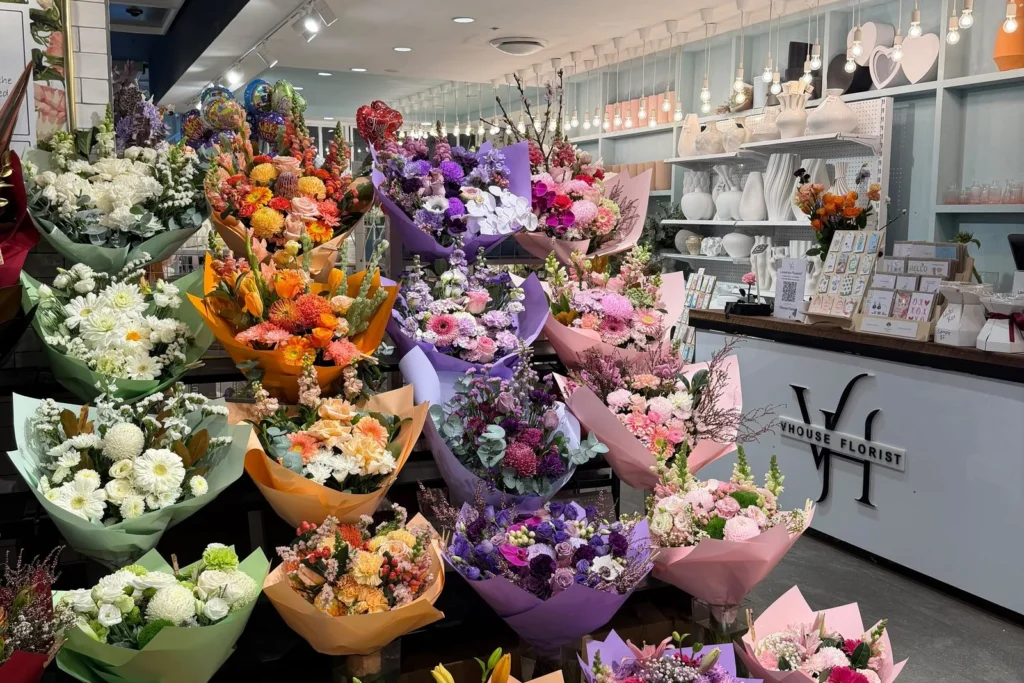
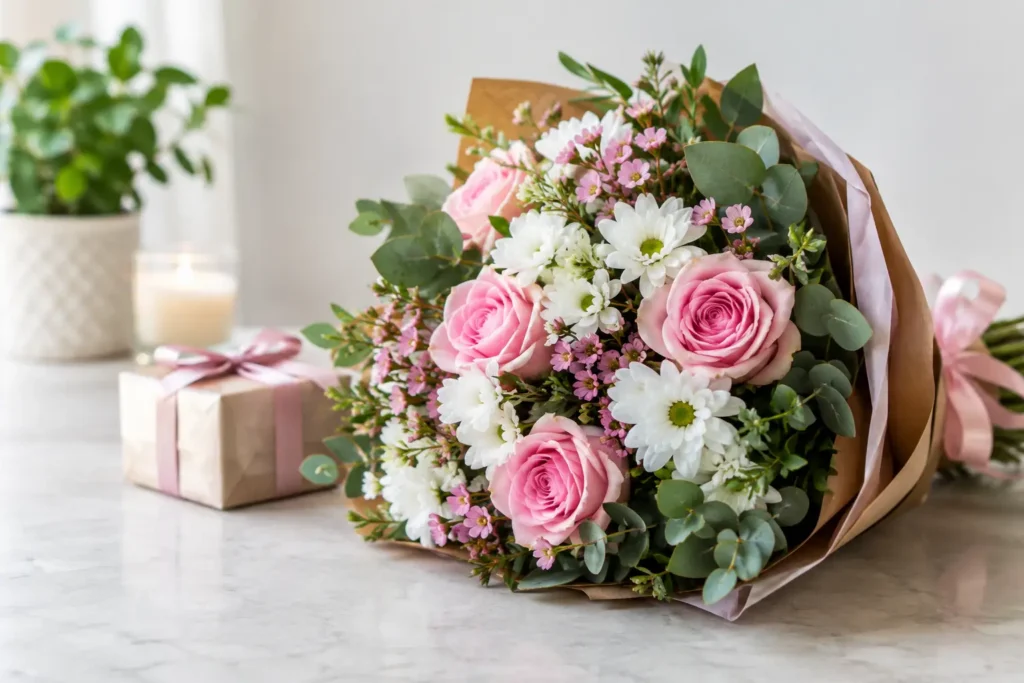
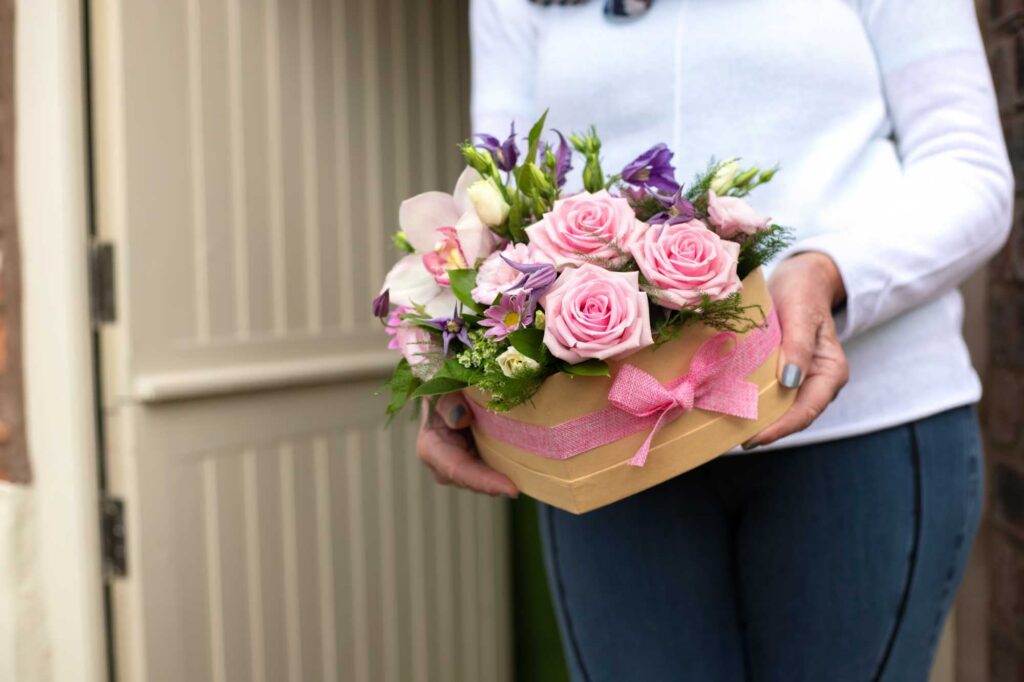
Some gifts are planned weeks ahead. Flowers are often the beautiful exception: a birthday slipped your mind, someone needs cheering up, or an important moment calls for a gesture today. Same day flower delivery Sydney shoppers can rely on starts with one simple rule: order early, give accurate details and choose a flexible design. That combination gives a florist time to make a considered bouquet instead of racing the clock.
Sydney is not one short delivery route. A bouquet travelling between the CBD, the North Shore, the Inner West and the Northern Beaches may meet very different traffic, access and timing conditions. When you place an order for same day flower delivery Sydney wide, the postcode, building access and time of day can all affect what is practical. Check the delivery area and the order cut-off shown at checkout rather than assuming every suburb has the same schedule.
How to improve the odds of a smooth delivery
Place the order as early as you can
A morning order gives the florist the widest choice of fresh stems and the best chance to schedule a local route. Same day flower delivery Sydney cut-offs can vary by weekday, season, distance and workload. A Friday before a long weekend is not the same as a quiet Tuesday. If the order matters, do not wait for the published final minute. Earlier ordering leaves room to clarify substitutions or fix an address detail.
Give the driver usable instructions
A complete address means more than a street number. Add the unit or suite, building name, suburb and postcode. For offices, include reception or floor details. For hospitals, schools and apartment blocks, tell the florist about entry restrictions, delivery desks or visitor procedures. Include a recipient phone number when appropriate and confirm that someone can answer. These small details matter for same day flower delivery Sydney recipients because a missed call or locked lobby can consume the time available for a second attempt.
Be clear about the occasion and budget
Tell the florist who the flowers are for, what the moment means and how much you want to spend. A short note such as “cheerful birthday flowers for a colleague, warm colours, around $90” gives a designer helpful boundaries. If the exact variety is unavailable, the florist can select blooms with a similar colour, scale and mood. Ask for a style rather than demanding a specific seasonal stem that may not be available that day.
Choose a bouquet that can adapt
The strongest same day flower delivery Sydney orders give the florist some creative freedom. Seasonal flowers usually offer better freshness and value than a fixed recipe relying on a single variety. A palette of soft pastels, bright colours or native textures is often enough to guide the design. If you have a non-negotiable request, such as avoiding lilies for a household with cats, state it clearly before paying. For everything else, let the available market guide the final mix.
Think about where the flowers will be displayed. A compact vase arrangement suits a reception desk or small apartment; a hand-tied bouquet gives the recipient the pleasure of choosing their own vase. A desk gift should be low enough not to block sightlines. A home delivery can be more generous, especially if the recipient has room to display it. Mention the setting when ordering same day flower delivery Sydney, and the florist can select an appropriate shape.
Make the message feel personal
A short, specific card message often means more than a long, polished one. Name the reason for sending the flowers, include an affectionate detail and sign it the way the recipient knows you. For a birthday, “Hope the year ahead brings more Sunday swims and very good cake” feels more personal than a generic greeting. For sympathy, keep the message gentle and simple. When arranging same day flower delivery Sydney for a surprise, double-check spelling and the name the recipient uses at work or home.
A quick order checklist
Before checkout, confirm the postcode is inside the delivery area, the cut-off is still open and the date selected is correct. Review the card message, recipient name, mobile number, access instructions and budget. If delivery must arrive before a particular event, contact the florist to ask whether that window can be accommodated. A time preference is not always a guaranteed appointment, so get explicit confirmation before relying on it.
The gift also has a practical side. Flowers left in direct sun or a hot car can lose freshness quickly. If the recipient will be away, consider sending to a staffed workplace or arranging a delivery when someone can receive it. Same day flower delivery Sydney can be spontaneous without being careless: the best surprise is one that reaches the right person in good condition.
Buying online with confidence
Read the product description closely. It should explain the approximate size, presentation and whether the pictured arrangement is a style reference rather than a stem-by-stem promise. Check the delivery conditions, substitution policy and customer support details before placing the order. Australian consumers can review their rights around online purchases and consumerguarantees, which is useful context when comparing delivery promises or resolving an order issue.
Freshness is influenced by growing, handling, transport and care after delivery. Research is one reason florists pay attention to post-harvest handling: the University of Melbourne has published work on vase life in Australian native cut flowers. For the recipient, the practical habit is simple: trim the stems, use a clean vase and refresh the water regularly.
Make today feel considered
A deadline does not have to make a gift feel generic. Share a colour preference, choose a suitable presentation and write a message only you could send. Those choices help same day flower delivery Sydney feel deliberate, even when the idea arrived this morning. Order as early as possible, stay flexible about seasonal stems and provide the details a driver needs. A little clarity gives the florist room to do the creative work well.
A tattoo is permanent, but the decision does not need to feel overwhelming. If they know what to look for, the “right” shop usually becomes obvious.
What should they look for first when comparing tattoo shops?
When choosing an Eastern Suburbs tattoo shop, the first thing to consider should be portfolio quality and consistency. If the shop regularly produces clean lines, solid shading, and healed work that still looks crisp, it is a strong sign of professionalism.
A good Eastern Suburbs tattoo shop will also clearly state its style strengths. A shop that specialises in fine line may not be the best fit for bold traditional work, and vice versa.
How can they tell if an artist’s style matches their idea?
They should scan the artist’s portfolio for tattoos that resemble their concept in both subject and technique. It is not enough that the work looks good; it needs to look good in the specific style they want.
They should also look for repeatable results across multiple clients, not just one or two standout photos. Consistency usually matters more than a single viral piece.
Why should they ask to see healed tattoos, not just fresh ones?
Fresh tattoos can look perfect because the skin is still bright and the photo is often taken in ideal lighting. Healed tattoos show the real outcome, including how lines settle and how shading holds.
If the shop or artist shares healed work, it usually signals confidence and transparency. If they do not, the client can ask politely during the consult.
What hygiene and safety signs should they check in the studio?
They should look for a visibly clean workspace, sealed or single use needles, and barrier protection on high touch surfaces. Artists should use fresh gloves and open new items in front of the client where relevant.
They should also expect proper sharps disposal and clear sterilisation practices for reusable equipment. If anything feels casual or unclear, they should treat that as a serious warning.
How important are licences, certifications, and compliance?
They matter because they indicate the shop is operating within local health requirements. A reputable studio will not be vague about compliance, and they should be comfortable answering basic safety questions.
Even when regulation varies, clients can still judge professionalism. Clear policies, clean processes, and confident explanations usually align with safer outcomes.
What should they ask during a tattoo consultation?
They should ask who will do the tattoo, how the design will be created, and what changes are included before the appointment. They should also ask about placement advice, sizing, and how the tattoo may age on that body area.
They should confirm the expected session length, pain considerations, and aftercare steps. A good consult leaves them feeling informed, not rushed.
How can they judge whether pricing is fair or risky?
They should be cautious of prices that seem dramatically lower than the local average. Cheap tattoos often become expensive when they require cover ups, removal, or corrective work.
Fair pricing usually reflects time, skill, hygiene standards, and demand. They should ask what the quote includes, such as design time, touch ups, and aftercare support. Learn more about what you should look for in a tattoo studio in Sydney.
What role do reviews and word of mouth actually play?
They help identify patterns in communication, punctuality, and how the studio handles issues. One bad review is less important than repeated complaints about the same problem, like poor hygiene, rushed work, or hostile responses.
They should also prioritise reviews that mention healed results and long term satisfaction. Those comments tend to be more useful than reactions posted on the day.
How should they assess the shop’s communication and professionalism?
They should notice how the studio responds to enquiries, whether it answers questions clearly, and whether it sets expectations early. Good communication usually shows up in simple things like confirming deposits, explaining prep, and outlining policies.
They should also pay attention to boundaries. Professionals will guide clients without pressure, and they will say no when a request is unsafe or unrealistic.
What should they know about deposits, policies, and design ownership?
They should read the deposit and cancellation terms before paying anything. A deposit is normal, but the rules should be clear, written, and consistent.
They should also understand that custom designs are typically the artist’s work product. If they want the right to reuse the design elsewhere, they should discuss it upfront rather than assuming.
How can they choose the right shop for fine line, realism, or traditional styles?
They should pick a shop that repeatedly produces the style they want, not one that claims it can do everything. Fine line requires controlled depth and delicate line confidence, realism demands strong value control, and traditional relies on bold line weight and durable colour packing.
They should also consider how the style ages. An honest artist will explain what will hold up best on their skin and placement.
What aftercare support should a good shop provide?
They should receive clear, written aftercare instructions and have an easy way to ask questions during healing. A quality shop will explain normal healing stages and warning signs that require medical advice.
They should also clarify touch up policies. Some shops include a touch up window, while others price it separately, and neither is “wrong” if it is explained upfront.
How do they make the final decision with confidence?
They should choose the shop where the work quality matches their style, hygiene standards feel unquestionable, and communication feels calm and professional. If they feel pressured, confused, or dismissed, it is usually a sign to keep looking.
The best Eastern Suburbs tattoo shop for them is the one that makes the process feel safe, clear, and well run, and leaves no doubt about the artist behind the needle.
FAQs (Frequently Asked Questions)
What are the key factors to consider when choosing an Eastern Suburbs tattoo shop?
Choosing an Eastern Suburbs tattoo shop is primarily about trust. Look for a studio that delivers safe work, strong design, and provides a positive experience from consultation through aftercare. Prioritize portfolio quality, hygiene standards, clear communication, and professionalism to ensure a confident decision.
How can I determine if a tattoo artist’s style matches my desired design?
Review the artist’s portfolio for tattoos that resemble your concept in both subject and technique. Focus on consistency across multiple clients rather than just standout pieces. Ensure the artist specializes in the style you want—whether fine line, realism, or traditional—to achieve the best results.
Why is it important to see healed tattoos instead of just fresh ones?
Healed tattoos reveal the true outcome by showing how lines settle and shading holds over time. Fresh tattoos may look perfect due to bright skin and ideal lighting, but healed work demonstrates the artist’s skill and transparency. Don’t hesitate to ask to see healed examples during your consultation.
What hygiene and safety practices should I expect at a reputable tattoo studio?
A clean workspace with sealed or single-use needles, barrier protection on high-touch surfaces, fresh gloves opened in front of you, proper sharps disposal, and clear sterilization protocols are essential. Any casual or unclear practices should be treated as serious warnings when selecting a studio.
How do licenses, certifications, and compliance impact my choice of tattoo shop?
Licenses and certifications indicate that the shop operates within local health regulations and maintains professional standards. A reputable Eastern Suburbs tattoo shop will openly share compliance information and confidently answer safety questions, which aligns with safer tattooing outcomes.
What questions should I ask during my tattoo consultation to ensure clarity and confidence?
Ask who will perform your tattoo, how your design will be created, what changes are included before the appointment, placement advice, sizing recommendations, expected session length, pain considerations, and aftercare steps. A thorough consultation should leave you feeling informed without pressure.
A reputable studio looks and feels clinical where it matters. They should use single-use needles, disposable ink caps, fresh gloves, and barrier protection on surfaces that are touched during a session.
They should also be happy to explain their sterilisation process. If they seem irritated by basic safety questions, that is usually a sign to keep looking.
Are they properly licensed and compliant in NSW?
A professional tattoo studio Sydney should be able to show evidence of meeting NSW health and safety requirements for skin penetration. Their workspace should follow strict cleaning routines and have clear procedures for handling sharps and waste.
If a tattoo studio Sydney is vague about compliance, it puts clients in an unnecessary risk position. A professional shop expects these questions and answers them clearly.
How can they confirm the artist’s skill matches the tattoo style?
They should have portfolios that are easy to view, consistent, and clearly attributed to each artist. The best sign is repeatable quality, not one great photo among many average ones.
Clients should compare healed work too, not just fresh tattoos under perfect lighting. Strong linework, smooth shading, and readable detail over time are what matter most.
Do they offer proper consultations before booking?
They should offer a consultation that clarifies placement, size, style, colour, and expectations. A good studio will also talk through how a design will age on skin, not just how it looks on day one.
They should never rush someone into a decision. If a studio pressures clients to book immediately, it often leads to regrets.
How do they handle custom designs and originality?
They should be able to explain their design process and what “custom” actually includes. For many studios, it means original work built around reference images, not copying someone else’s tattoo.
They should also be clear about revisions, approvals, and whether drawing time is included in the quote. Good studios protect their artists’ time and the client’s outcome.
What should they be transparent about with pricing and deposits?
They should provide clear pricing guidance, whether they charge hourly, by piece, or by session. They should also explain deposits, minimum spend, rescheduling rules, and what happens if the design changes.
If a studio will not put these basics in writing, clients can easily end up confused or disappointed. Clear pricing policies usually reflect a well-run shop.
How can clients judge communication and professionalism?
They should reply with practical information, not just vague encouragement. They should ask the right questions, set realistic timelines, and communicate boundaries around what they will not tattoo.
Professionalism shows in small details: punctuality, respectful language, and clear explanations. Clients should feel listened to, not handled.
Do they prioritise comfort and consent during the session?
They should explain the process, confirm placement with a stencil check, and ask for consent before making changes. They should also offer breaks and guide clients on managing pain and session length.
A good studio makes it easy for clients to speak up. If an artist dismisses concerns or pushes through discomfort, that is not a healthy environment.
What aftercare support should they provide?
They should provide written aftercare instructions and explain healing stages, cleaning routines, and what to avoid. They should also tell clients what is normal versus what needs medical attention.
They should be available for follow-up questions. A studio that disappears after payment is not treating tattooing like the long-term service it is. Check out more about body piercings and tattoos.
How important are reviews and word of mouth in Sydney?
They matter most when they describe specific experiences, such as cleanliness, communication, and how well the tattoo healed. Consistent feedback across multiple platforms is more useful than a handful of extreme opinions.
Clients should also look for signs of long-term trust, like repeat customers and multi-session projects. In a city like Sydney, reputation is usually earned through consistency.
Should clients consider location, scheduling, and studio vibe?
Yes, but only after the fundamentals are strong. They should choose a studio that is easy to reach, has reasonable booking lead times, and provides a calm, organised environment.
The vibe should feel welcoming without feeling chaotic. A clean, focused studio tends to produce better outcomes than one that feels rushed or overcrowded.
What are the red flags that suggest they should walk away?
They should walk away if the studio refuses to discuss hygiene, cannot show portfolios, or seems comfortable copying designs. They should also avoid shops that pressure clients, underquote to win bookings, or dismiss aftercare.
If something feels off during the consultation, it rarely improves on tattoo day. A tattoo is permanent, so the studio choice should be deliberate.
What should I look for to ensure a tattoo studio in Sydney maintains proper hygiene and safety?
A reputable tattoo studio should have a clean, clinical setup using single-use needles, disposable ink caps, fresh gloves, and barrier protection on surfaces. They should be transparent about their sterilisation process and welcome safety questions without irritation.
How can I verify if a Sydney tattoo studio is licensed and compliant with NSW health regulations?
The studio should provide evidence of meeting NSW health and safety requirements for skin penetration. Their workspace must follow strict cleaning routines and have clear procedures for handling sharps and waste. Vague responses about compliance are a red flag.
How do I assess an artist’s skill and suitability for my desired tattoo style?
Look for portfolios that are easy to view, consistent, and clearly attributed to each artist. Focus on repeatable quality across multiple works, including healed tattoos showing strong linework, smooth shading, and readable detail over time.
What should a proper consultation at a Sydney tattoo studio include before booking?
A good consultation clarifies placement, size, style, colour, and expectations. The studio should discuss how the design will age on the skin and never rush clients into booking decisions to avoid regret.
How transparent should tattoo studios be about pricing, deposits, and rescheduling policies?
Studios should provide clear pricing guidance—whether hourly or by piece—and explain deposits, minimum spends, rescheduling rules, and changes in design costs. All these details should be put in writing to prevent confusion or disappointment.
What are the warning signs that indicate I should choose a different tattoo studio in Sydney?
Avoid studios that refuse to discuss hygiene protocols, cannot show portfolios, copy designs unethically, pressure clients to book immediately, underquote just to win bookings, or dismiss aftercare concerns. If something feels off during consultation, it’s best to walk away.
Kirribilli residents often want flowers that look fresh, feel thoughtful, and suit the moment. The simplest way to get that is to choose seasonal blooms, because they are usually at their best in colour, scent, and vase life.
This guide breaks down what to pick each season, what to ask a florist, and how to make an arrangement feel “right” when choosing flowers Kirribilli residents love for their homes or special occasions.
Why do Kirribilli residents tend to prefer seasonal flowers?
Seasonal flowers typically look fuller and last longer because they are grown and harvested in their natural window. They also suit the local mood, with lighter stems in warm months and richer textures when it cools down.
They often make budgeting easier too, since in-season blooms are usually more available and need less handling to look great.
Which flowers suit Kirribilli best in spring?
In spring, Kirribilli residents usually lean into airy, optimistic arrangements with soft colour and movement. They can aim for a “garden picked” feel rather than anything too heavy.
Popular spring picks include tulips, ranunculus, anemones, sweet peas, freesias, irises, and flowering branches. For greenery, they can add gum, jasmine vine, or delicate foliage that keeps the look light and fresh.
What should they choose for summer arrangements?
Summer flowers work best when they handle warmth and still look crisp in a bright room. Kirribilli homes with lots of light often suit bolder colour, but the stems need to be hardy.
Great summer options include dahlias, zinnias, sunflowers, lisianthus, hydrangeas, orchids, and natives like banksia and kangaroo paw. They can keep things modern with a tight palette, or go coastal with white and green plus textured foliage.
What are the most loved autumn flowers in Kirribilli?
Autumn usually calls for warmer tones and a slightly moodier, more textural style. Kirribilli residents often choose blooms that feel cosy without looking heavy.
They can look for chrysanthemums, roses, dahlias (early autumn), nerines, marigolds, and rich-toned foliage. Pairing rusty oranges, burgundy, and soft caramel shades with gum leaves or dried accents can make an arrangement feel seasonal without being overly “theme-y.”
Which winter flowers feel special without looking gloomy?
Winter arrangements do not need to be dark or sparse. Kirribilli residents often prefer clean whites, deep greens, and one strong accent colour for contrast.
Good winter picks include camellias, hellebores, jonquils, hyacinths, anemones, tulips (late winter), and sturdy natives. They can also use textured greenery and branches to add shape, which makes winter arrangements feel intentional and luxe.
How can they match seasonal flowers to common occasions?
They can choose season first, then adjust colour and style to fit the message. That keeps the bouquet appropriate and avoids forcing out-of-season blooms.
For birthdays, bright seasonal mixes usually work. For sympathy, they can stick to softer tones and fewer varieties. For romance, they can choose seasonal “hero” blooms and keep the palette simple. For new babies, gentle colours and low-scent stems tend to suit hospitals and smaller rooms.
What colour palettes do Kirribilli residents usually go for?
Many Kirribilli buyers gravitate towards whites, creams, blush, and fresh greens because they suit coastal light and contemporary interiors. Others prefer bold monochromes, especially in summer, where one colour can look striking without feeling busy.
If they are unsure, a safe approach is a neutral base (white or cream), a soft secondary tone (blush or pale yellow), and one accent (coral, burgundy, or deep pink) depending on the season.
How should they choose between natives and classic blooms?
They can also blend both. A few classic focal flowers with native textures and gum foliage often creates an arrangement that feels “Sydney” while still polished.
What should they ask a florist to get the best seasonal result?
They can ask what is best “this week,” not just “this season,” because supply changes quickly. That question usually gets the freshest recommendations.
Useful prompts include: which stems are strongest right now, which ones are most fragrant, what will last longest in a warm room, and whether the arrangement can be designed around a favourite colour while staying seasonal.
How can they make seasonal flowers last longer at home?
They can extend vase life with small habits that take minutes. Most arrangements fail early because of dirty water, heat, or stems not being re-cut.
They can trim stems on an angle, change water every one to two days, keep leaves out of the waterline, and place the vase away from direct sun or appliances. If a bouquet arrives tied, they can loosen it slightly so blooms have space and airflow. Learn more why to locate the flower vases not in direct sun or over appliances.
What is a simple seasonal “go-to” bouquet they can rely on?
They can pick one hero flower that is in season and build around it with two supporting elements: a secondary bloom and a textured green. This keeps the look elevated without becoming complicated.
For example, in spring they can centre on tulips, add sweet peas, and finish with gum. In summer they can use dahlias, pair with lisianthus, and add light foliage. In winter they can use camellias, add jonquils, and build shape with branches. Get more information about annual flowers.
FAQs (Frequently Asked Questions)
Why do Kirribilli residents prefer seasonal flowers for their homes and occasions?
Kirribilli residents tend to prefer seasonal flowers because they look fuller, last longer, and are grown in their natural window. Seasonal blooms suit the local mood with lighter stems in warm months and richer textures when it cools down. They also make budgeting easier as they are more available and require less handling to look great.
Which flowers are best suited for spring arrangements in Kirribilli?
For spring, Kirribilli residents often choose airy, optimistic arrangements with soft colour and movement, aiming for a ‘garden picked’ feel. Popular spring flowers include tulips, ranunculus, anemones, sweet peas, freesias, irises, and flowering branches. Adding greenery like gum, jasmine vine, or delicate foliage helps keep the look light and fresh.
What types of flowers work well for summer bouquets in Kirribilli homes?
Summer flowers that handle warmth and maintain a crisp look in bright rooms suit Kirribilli homes well. Great options include dahlias, zinnias, sunflowers, lisianthus, hydrangeas, orchids, and natives like banksia and kangaroo paw. Residents can choose a modern tight palette or a coastal theme with white and green plus textured foliage.
How can Kirribilli residents create autumn flower arrangements that feel cozy yet not heavy?
In autumn, warmer tones and textural styles are popular. Kirribilli residents often select chrysanthemums, roses, dahlias (early autumn), nerines, marigolds, and rich-toned foliage. Combining rusty oranges, burgundy, and soft caramel shades with gum leaves or dried accents creates seasonal arrangements without being overly themed.
What winter flowers are recommended for special yet fresh arrangements in Kirribilli?
Winter arrangements in Kirribilli favor clean whites, deep greens, and one strong accent colour for contrast. Recommended winter blooms include camellias, hellebores, jonquils, hyacinths, anemones, late winter tulips, and sturdy natives. Using textured greenery and branches adds shape to make winter bouquets feel intentional and luxe.
How should Kirribilli residents match seasonal flowers to common occasions effectively?
They should choose seasonally available flowers first and then adjust colour and style to fit the occasion’s message. For birthdays, bright seasonal mixes work well; sympathy calls for softer tones with fewer varieties; romance suits simple palettes with seasonal ‘hero’ blooms; new babies benefit from gentle colours and low-scent stems appropriate for hospitals or smaller rooms.
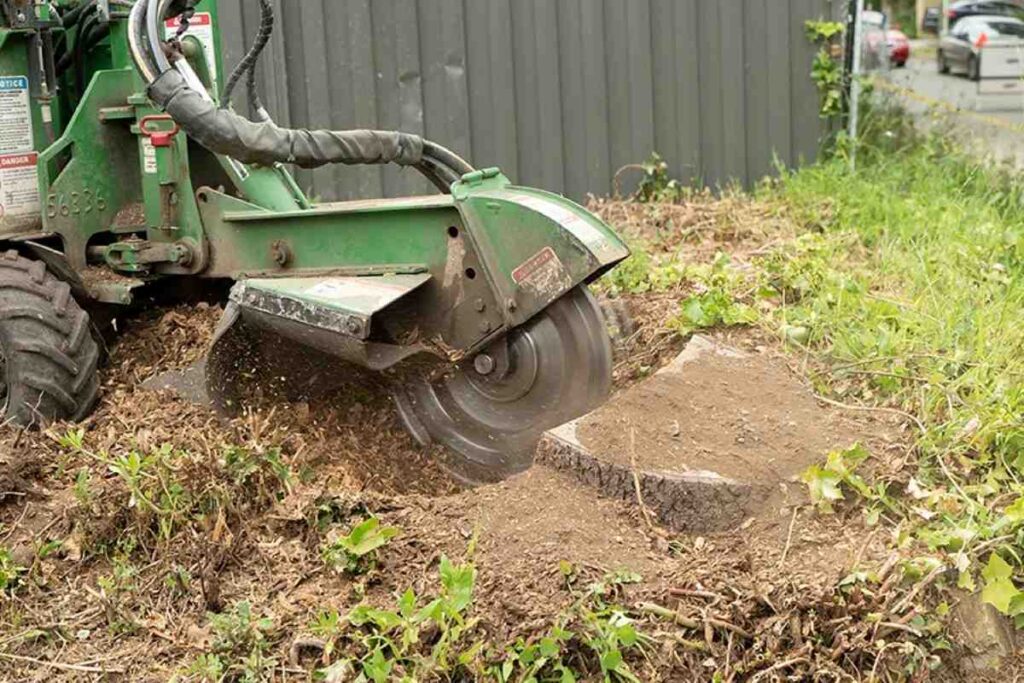
For homeowners and builders, the real question is not whether every root disappears, but whether the remaining roots will affect landscaping, paving, drainage, or future planting.
Does stump grinding remove all tree roots?
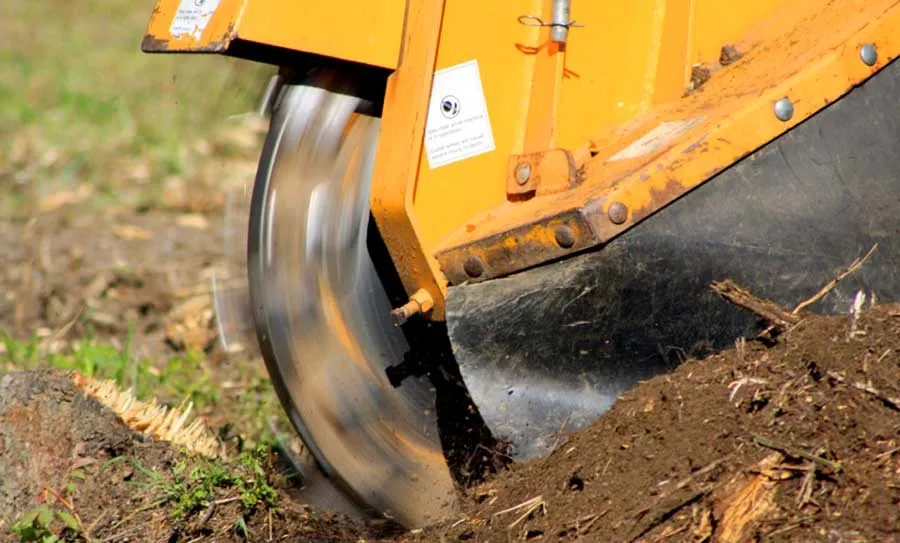
No. Stump grinding Sydney typically removes the stump to below ground level and grinds a limited radius of major surface roots near the trunk. The wider, deeper root network is left in place because it spreads far beyond the stump and is not practical to chase with a grinder.
Most established trees have roots extending well past the canopy line, so “full root removal” would require excavation, not grinding.
How deep does stump grinding go in Sydney conditions?
Most stump grinding is done roughly 150 to 300 mm below ground level, though deeper grinding is sometimes requested for re-turfing or shallow landscaping. In Sydney, depth can be limited by access, soil type, buried rock, and nearby services.
Even when ground deeper, that depth does not equal full root removal. It only reduces the stump and immediate root crown.
What happens to the roots left behind?
They usually die and decay gradually. As they break down, they can leave small voids in the soil, which may lead to minor settling in garden beds or lawns. In most residential yards this is manageable with top-ups of soil and normal maintenance.
If the tree was removed due to disease, the decaying roots can still affect future planting decisions in that area.
Can roots keep growing after stump grinding?
In most cases, no, because the tree has been removed and the roots lose their energy source. However, some species can produce suckers from remaining roots, especially if the tree was cut and not fully killed before grinding.
Where suckering is common, they may recommend targeted herbicide treatment, root barrier solutions, or extra removal near problem zones.
Will stump grinding stop roots from damaging pipes or paving?
It depends on the cause of the damage. If roots already invaded a pipe, stump grinding alone will not remove those roots inside the line, and they can remain a blockage risk until the pipe is cleared and repaired. If paving is heaved by large structural roots, grinding the stump does not undo the uplift.
For hardscape or plumbing problems, they usually pair stump grinding with drain inspection, root cutting, or excavation in the affected area.
Yes, when future works require a clear subgrade. If they are installing a slab, driveway, retaining wall footings, or significant paving, remaining roots can interfere with compaction and long-term stability. In those cases, excavation and removal of major roots in the footprint is often the right call.
For simple lawn replacement or garden beds, stump grinding is usually sufficient.
How can they tell if remaining roots will be a problem?
They can start by considering the tree size, species, distance to structures, and the next planned use of the area. Large trees close to fences, pools, paths, and services are more likely to have large roots in critical zones. If there are signs of movement in paving, recurring drain issues, or a tight build schedule, further investigation helps.
What should they ask a stump grinding Sydney provider before booking?
They should ask what depth will be achieved, whether surface roots near the stump are included, and what happens to the grindings. It also helps to ask how they manage access, underground services, and clean-up, and whether they can advise on suckering risk for that species.
If they plan to build or pave, they should share those plans up front so the grinder depth and method match the intended finish level.
FAQs (Frequently Asked Questions)
Does stump grinding in Sydney remove all of a tree’s roots?
No, stump grinding in Sydney removes the visible stump and some nearby root flare but does not fully remove the entire root system. Most roots remain underground, as the wider and deeper root network extends far beyond the stump and is impractical to grind.
How deep does stump grinding typically go in Sydney conditions?
Stump grinding usually goes about 150 to 300 mm below ground level in Sydney. Deeper grinding can be requested for re-turfing or shallow landscaping, but depth may be limited by soil type, buried rock, access, and nearby underground services.
What happens to the roots left behind after stump grinding?
The remaining roots generally die and decay gradually over time. As they break down, they may leave small voids causing minor settling in garden beds or lawns, which is manageable with soil top-ups and regular maintenance. If the tree was removed due to disease, decaying roots might still affect future planting decisions.
Can roots continue to grow after stump grinding?
In most cases, no. Since the tree is removed and roots lose their energy source, they do not keep growing. However, some species can produce suckers from remaining roots if the tree was cut but not fully killed before grinding. Targeted herbicide treatments or root barriers may be recommended in such cases.
Will stump grinding prevent roots from damaging pipes or paving?
Stump grinding alone may not stop root damage to pipes or paving. Roots already inside pipes remain a blockage risk until cleared and repaired. Structural roots causing paving uplift are not undone by grinding. Typically, stump grinding is paired with drain inspection, root cutting, or excavation to address these issues effectively.
Is full root removal necessary for all projects after stump grinding?
Full root removal is necessary when future construction requires a clear subgrade, such as installing slabs, driveways, retaining walls footings, or significant paving where remaining roots can affect compaction and stability. For simpler tasks like lawn replacement or garden beds, stump grinding alone is usually sufficient.
What typically changes the price of tree pruning in Hornsby?
Prices change because arborists are pricing time, risk, and gear, not just “a trim.” A straightforward prune on an easy-to-reach tree is cheaper than a technical climb near roofs, power lines, or tight courtyards.
Common cost drivers include height and canopy spread, number of cuts, deadwood volume, access for a chipper, traffic control needs, green waste removal, and whether the tree requires a climber or elevated work platform.
How much does pruning cost for small ornamental trees?
Small ornamentals are often the most predictable jobs for tree pruning Hornsby. When the canopy is low and access is easy, pruning is typically a short visit with minimal rigging.
In Hornsby, tree pruning Hornsby for small ornamentals often lands around $200–$450 per tree. Shaping, light reduction, and removing minor deadwood usually sit at the lower end, while heavier corrective pruning and full green waste removal can push pricing upward.
How much does pruning cost for medium native trees like Lilly Pilly or Bottlebrush?
Medium natives often need clearance pruning and canopy thinning rather than heavy reduction. They can also be denser than ornamentals, which increases time in the canopy and green waste volume.
A typical range for pruning medium natives is around $450–$900. Costs rise when they request strong reductions to regain light, when the canopy overhangs structures, or when access is limited and all waste must be carried out by hand.
How much does pruning cost for large eucalyptus (gum trees)?
Large eucalyptus are usually priced higher because they are tall, heavy-limbed, and often require advanced rigging. Even “basic” deadwooding can involve substantial climbing time and controlled lowering of branches.
For large gums in Hornsby, pruning commonly falls around $900–$2,500+. The upper end is more likely when there are long lateral limbs over homes, steep blocks, tight drop zones, or when large volumes of material need chipping and haulage.
How much does pruning cost for palms?
Palms are different because pruning is usually frond removal, seed pod removal, and skirt reduction rather than structural pruning. Some palms are quick, but tall specimens can require a climber or an EWP, which changes the price fast.
Many palm prunes land around $250–$700, while tall palms needing specialist access can reach $700–$1,500+. Pricing often includes disposal, since palm waste can be bulky and heavy.
How much does pruning cost for fruit trees?
Fruit trees are often pruned for light, airflow, and future yield, so the work is more targeted. They may also want seasonal timing and careful cuts, which can take longer than a simple “tidy up.”
Fruit tree pruning in Hornsby is commonly $200–$600 per tree, depending on size and whether they need reshaping after years of neglect. If there are multiple fruit trees on one visit, per-tree pricing often improves.
How much does pruning cost for conifers and hedging trees like Leyland cypress?
Conifers can be deceptively time-consuming because of dense foliage and the volume of clippings. They also respond poorly to being cut back into old wood, so a good arborist may recommend staged reductions or alternative solutions.
Expect roughly $400–$1,200+ depending on height, length of hedge line, and access. If they request height reduction on tall conifers near fences or structures, pricing often increases due to rigging and cleanup.
What add-ons and hidden costs should they ask about?
They should confirm what the quote includes, because two prices can look similar while covering very different scopes. A cheap prune that excludes removal and stump-level cleanup can end up costing more after add-ons.
Key line items to clarify include green waste removal, wood left onsite versus hauled, mulching, traffic management, EWP hire, weekend surcharges, and whether the quote includes a written scope and photos of the intended pruning points.
How can they reduce pruning costs without risking the tree?
They can often lower the bill by bundling work, improving access, and being clear about the outcome. Most savings come from reducing time on site and waste-handling effort.
They can group multiple trees into one booking, clear pathways for equipment, allow chipper access where possible, and decide upfront whether they want firewood left onsite. They should also avoid requesting extreme “lopping,” since corrective work later can cost more. Check out more about Does Stump Grinding Sydney Fully Remove Tree Roots?
What should they look for in a pruning quote in Hornsby?
A good quote should describe the pruning type, not just “trim tree.” Clear scopes help avoid disputes and protect tree health.
They should look for a defined method such as deadwooding, thinning, crown reduction with a target percentage, or clearance pruning with specific distances from roofs. They should also check insurance, qualifications, and whether the pruning approach aligns with the tree species and long-term structure.
FAQs (Frequently Asked Questions)
What factors influence the cost of tree pruning in Hornsby?
Tree pruning costs in Hornsby vary based on tree type, size, access difficulty, and risk involved. Pricing depends on arborists’ time, risk, and equipment needs rather than just the trim itself. Key cost drivers include tree height and canopy spread, number of cuts, volume of deadwood, chipper access, traffic control requirements, green waste removal, and whether specialized climbing or elevated platforms are necessary.
How much does it typically cost to prune small ornamental trees in Hornsby?
Pruning small ornamental trees in Hornsby usually ranges from $200 to $450 per tree. This pricing applies when the canopy is low and access is straightforward. Light shaping, minor deadwood removal, and light reduction tend to be at the lower end of this range, while heavier corrective pruning and full green waste disposal can increase costs.
What is the price range for pruning medium native trees like Lilly Pilly or Bottlebrush?
Pruning medium native trees such as Lilly Pilly or Bottlebrush typically costs between $450 and $900 in Hornsby. These trees often require clearance pruning and canopy thinning rather than heavy reductions. Costs may rise if strong reductions are needed to improve light access, if the canopy overhangs structures, or if access limitations require manual waste removal.
How much does pruning large eucalyptus (gum) trees cost in Hornsby?
Large eucalyptus trees generally have higher pruning costs due to their height, heavy limbs, and need for advanced rigging. In Hornsby, prices typically range from $900 to $2,500 or more. Higher costs occur when branches extend over homes, on steep blocks or tight drop zones, or when large volumes of material require chipping and haulage.
What should homeowners clarify about add-ons and hidden costs before agreeing to a tree pruning quote?
Homeowners should confirm what the quote includes because similar prices might cover different scopes of work. Important items to clarify are green waste removal methods, whether wood is left onsite or hauled away, mulching services, traffic management needs, equipment hire like elevated work platforms (EWP), weekend surcharges, and if the quote provides a written scope with photos of intended pruning points.
How can homeowners reduce tree pruning costs without compromising tree health?
Homeowners can reduce pruning expenses by bundling multiple trees into one service call, improving site access for equipment like chippers, and being clear about desired outcomes upfront. Avoiding extreme lopping helps prevent costly corrective work later. Efficient planning reduces time onsite and waste handling efforts, which are major contributors to overall pricing.
Giving flowers is simple. Making them feel unforgettable is not.
A St Leonards florist helps turn a nice gesture into a gift that lands emotionally, looks beautiful in real life, and arrives at the right moment. They do it by guiding choices, translating meaning into design, and handling the practical details most people only notice when something goes wrong.
What makes a floral gift feel genuinely memorable?
A memorable floral gift feels personal, not generic. It matches the moment, the recipient, and the message, even when no card says much—something many people consider when arranging St Leonards flower delivery.
A St Leonards florist focuses on intention first. They help choose a style, colour palette, and flower mix that fits the person, not just the occasion. The result is a gift that looks considered, not last-minute, even if it was.
How do they match flowers to the occasion without overthinking it?
They keep it clear: what happened, who it is for, and what the sender wants to say. From there, the design choices become easier.
For birthdays they might lean bright and energetic. For sympathy they often keep shapes softer and tones calmer. For celebrations like a new baby or engagement, they can balance elegance with joy. Their job is to simplify decisions while improving the final look. You may also checkout https://flowerthere.com/flower-delivery-castlecrag-reliable-service-for-every-event for flower delivery in Castlecrag.
How do they help choose flowers when the sender does not know what to pick?
They ask the right questions and offer a small set of good options. That is often all most people need.
They might ask about favourite colours, the recipient’s style, and whether the gift needs to feel romantic, friendly, formal, or light. If the sender has no details, they can still recommend safe choices that suit most homes and feel premium, not bland.
How do they design arrangements that look better than supermarket bunches?
They design with structure, proportion, and movement, not just “more stems.” That is why a florist-made arrangement tends to photograph well and look polished on a table.
They consider height, spacing, focal flowers, and supporting textures. They also know how to blend colours so the bouquet feels intentional. Even a simple arrangement can look high-end when the shape is clean and the palette is controlled. Learn more how to plan your flower arrangement.
How do they make a gift feel more personal without adding lots of extras?
They focus on the details that carry meaning. Small touches can do more than expensive add-ons.
A florist can tailor the colour story to a recipient’s home, include a specific bloom with sentimental value, or choose a wrapping style that feels modern and understated. They can also help write a short card message that sounds natural, especially when the sender feels stuck.
How do they handle seasonal availability while keeping the same vibe?
They swap stems, not the feeling. Seasonality changes what is available, but it does not have to change what the gift communicates.
If certain flowers are out of season, they can offer alternatives with a similar shape, tone, or texture. This keeps the bouquet aligned with the original intention while ensuring the flowers are fresh and at their best. Good substitutions usually improve longevity too.
How do they help with delivery so the gift arrives in good condition?
They plan for timing, temperature, and transport, which protects the flowers and the presentation.
A St Leonards florist typically prepares arrangements to travel well, secures stems properly, and chooses packaging that supports the shape. They also coordinate delivery windows and include care instructions so the recipient can enjoy the flowers longer. When delivery matters, professional handling makes a visible difference. Check out why continuous professional development matters to ensure the professional delivery handling.
How do they create floral gifts that last longer after they arrive?
They start with fresher product and condition it correctly before arranging. That step alone often adds days of vase life.
They also build arrangements with longevity in mind, pairing hardier blooms with delicate ones in a way that still looks balanced. Many florists include practical care notes like recutting stems, changing water, and keeping flowers away from heat or direct sun.
How do they support last-minute gifting without it looking rushed?
They rely on proven designs and efficient preparation, not shortcuts that show. A quick order can still look thoughtful if it is made well.
They can recommend a best-selling style that suits many occasions and is quick to execute. They can also guide a sender away from overly specific requests that slow things down or increase substitution risk. The goal is fast, not messy.
How do they help businesses and events create stronger impressions?
They keep branding and context in mind. Flowers for workplaces and events need to fit the space, the audience, and the purpose.
For offices, they often focus on clean designs that feel modern and are easy to maintain. For events, they consider sightlines, table size, lighting, and photo moments. Done well, florals quietly lift the entire experience and make the day feel more premium.
How can someone get the best results from a St Leonards florist?
They share a little context and a clear budget. That gives the florist room to make smarter choices.
A helpful approach is to say who the flowers are for, the occasion, preferred colours, any dislikes, and whether they want something bold or soft. If they have a reference photo, that can help too. With that input, a florist can create a gift that feels tailored and memorable.
FAQs (Frequently Asked Questions)
What makes a floral gift from a St Leonards florist genuinely memorable?
A memorable floral gift feels personal and intentional, matching the moment, recipient, and message. A St Leonards florist focuses on intention first by helping choose a style, colour palette, and flower mix that fits the person, resulting in a gift that looks considered and heartfelt.
How do St Leonards florists match flowers to different occasions without overthinking it?
They keep it simple by clarifying what happened, who it’s for, and what the sender wants to say. This clarity guides design choices—for example, bright and energetic for birthdays, softer tones for sympathy, or elegant yet joyful arrangements for celebrations like new babies or engagements.
How can a St Leonards florist help if I don’t know which flowers to pick?
They ask insightful questions about favourite colours, recipient’s style, and the desired tone—romantic, friendly, formal, or light—and offer a curated selection of good options. Even without details, they recommend safe yet premium choices suitable for most homes.
What design techniques make florist arrangements look better than supermarket bunches?
Florists design with structure, proportion, and movement rather than just quantity. They consider height, spacing, focal flowers, supporting textures, and colour blending to create clean shapes and controlled palettes that look polished and high-end both in person and in photos.
How do St Leonards florists handle seasonal flower availability while maintaining the intended vibe?
They swap stems thoughtfully by finding alternatives with similar shape, tone, or texture when certain flowers are out of season. This approach preserves the original intention of the bouquet while ensuring freshness and often improving longevity.
What steps do St Leonards florists take to ensure flower delivery arrives in perfect condition?
They meticulously plan timing, temperature control, and transport logistics. Arrangements are prepared to travel well with secure stems and supportive packaging. Delivery windows are coordinated carefully along with care instructions so recipients enjoy longer-lasting flowers.
In the sophisticated enclave of Sydney’s Lower North Shore, the standard for luxury is constantly evolving. As we move through 2026, the residents of the 2088 postcode are no longer satisfied with “off-the-shelf” bouquets. To find the best florist in Mosman, one must look beyond the simple retail storefront and toward the studios practicing high-concept floral artistry.
Today, a floral arrangement is more than a gift; it is a curated experience. Whether it’s a minimalist sculptural piece for a contemporary home on Military Road or a lavish installation for a waterfront wedding at Balmoral, the shift toward bespoke design is undeniable. In this guide, we explore the elements that define the pinnacle of floristry in Mosman and why “artistry” has become the primary metric for quality.
Defining Bespoke Floral Artistry in 2026
Bespoke floral artistry is the practice of creating one-of-a-kind botanical designs tailored specifically to a client’s environment, emotion, and aesthetic preference. Unlike traditional floristry, which often relies on repeatable “recipe” bunches, bespoke artistry treats every stem as a structural element in a living piece of art.
The Evolution of the Mosman Aesthetic
Historically, Mosman has favored classic, dense arrangements of roses and lilies. However, 2026 has ushered in a new era of Sculptural Minimalism. This trend emphasizes:
Negative Space: Allowing the air between the flowers to define the shape.
Architectural Forms: Using stems with natural bends and “imperfect” curves.
Monochromatic Depth: Layering different textures of the same color to create sophisticated visual interest.
Why Bespoke Artistry is the Gold Standard in 2026
The reason the best florist in Mosman now focuses on artistry over volume comes down to three core pillars: personalization, sustainability, and the “Slow Flower” movement.
1. Curated Choice vs. Decision Fatigue
In an era of instant gratification, luxury consumers are pivoting toward “curated trust.” Instead of choosing from a catalog of 50 identical bouquets, Mosman clients prefer to provide a mood—such as “Refined Coastal” or “Moody Balmoral Twilight”—and allow the floral craftsman to select the best seasonal blooms of the morning.
2. The Rise of Sustainable Luxury
Sustainability is no longer a “nice-to-have”; it is a prerequisite for the title of best florist. Top-tier studios in 2026 have moved entirely away from floral foam (which contains microplastics) in favor of:
Reusable Mechanics: Using kenzans (flower frogs) and coated chicken wire.
Compostable Packaging: Swapping plastic sleeves for premium pH-neutral paper and silk ribbons.
Local Sourcing: Prioritizing NSW-grown wildflowers and natives over imported stems that carry a heavy carbon footprint.
In the premium homes of Mosman, flowers are viewed as temporary interior design. A bespoke artist considers the height of the ceilings, the color of the marble countertops, and the lighting of the room before the first stem is even cut.
Key Trends Shaping Mosman Floristry This Year
To remain the best florist Mosman has to offer, designers are embracing specific 2026 trends that resonate with the local lifestyle.
Trend
Description
Best For
Mud Pastels
Desaturated tones like mauve, clay, and dusty rose.
Modern minimalist apartments.
Fruit & Flora
Incorporating pomegranates or figs into floral displays.
Decadent dinner parties.
Australian Natives 2.0
Banksias and Waratahs paired with delicate orchids.
Long-lasting corporate displays.
Vertical Motion
Tall, winding lines that draw the eye upward.
Grand entryways and foyers.
How to Identify the Best Florist in Mosman
When searching for a floral partner, use this framework to ensure you are receiving true artistry rather than a mass-produced product.
Check for E-E-A-T (Experience, Expertise, Authoritativeness, Trust)
The “Market Fresh” Guarantee: Does the florist visit the Sydney Flower Markets daily, or do they rely on weekly deliveries?
Portfolio Variety: Look for a gallery that shows diverse styles. A true artist doesn’t have a “signature look” that they force onto every client; they have a signature quality that adapts.
Technical Mastery: Ask about their mechanics. A florist who can create a 2-meter installation without using toxic floral foam demonstrates superior technical skill.
The Consultation Process
The best florists will ask you about the vessel and the space. They understand that a wide-mouthed ceramic pot requires a different structural approach than a narrow crystal vase.
Common Mistakes When Ordering Premium Flowers
Avoid these pitfalls to ensure your investment in floral artistry pays off:
Ordering by “Flower Name” only: Asking for “roses” in July may result in inferior imports. Instead, ask for “what is peak-season and premium today.”
Neglecting the Vessel: Using an ill-fitting vase can ruin the proportions of a professional design. Many top Mosman florists offer a “vase swap” service.
Ignoring the Scent: In 2026, many mass-produced flowers have had their scent bred out of them for longevity. Bespoke artists prioritize heirloom varieties that retain their natural fragrance.
Frequently Asked Questions
What makes a florist “the best” in Mosman?
The best florist is defined by their ability to source local, seasonal blooms and transform them into bespoke arrangements that reflect the recipient’s personality and the specific architecture of the 2088 area.
Do Mosman florists offer same-day delivery?
Yes, most premium florists in Mosman offer same-day delivery if ordered before 12:00 PM or 1:00 PM. However, for bespoke artistry, 24-hour notice is often preferred to source specific rare stems.
Why are bespoke flowers more expensive than supermarket bunches?
Bespoke flowers involve higher-grade “A-list” stems, sustainable mechanics, and the labor of a skilled designer who spends time on the structural integrity and artistic composition of the piece.
How long should a premium arrangement last?
Depending on the variety, a high-quality arrangement should last between 5 to 10 days. Native Australian blooms often last significantly longer, sometimes up to two weeks.
Is floral foam still used in 2026?
Many leading Mosman florists have phased out floral foam due to environmental concerns, choosing “foam-free” techniques that are better for the planet and help flowers hydrate more naturally.
Conclusion: Investing in the Best Florist in Mosman
Choosing the best florist in Mosman is an exercise in discerning quality over quantity. In 2026, the shift toward bespoke floral artistry reflects a broader movement toward intentionality, sustainability, and authentic luxury. When you choose a florist who treats their work as art, you aren’t just sending flowers—you are sending a statement of taste and a moment of genuine connection.
What Are Custom Patches and Why Is Their Backing Important?
Custom patches have become essential elements in personalising clothing, accessories, and promotional items across industries. From military uniforms and corporate apparel to fashion statements and collectible merchandise, these embroidered or woven designs serve both functional and aesthetic purposes.
The backing of a patch refers to the material layer attached to its reverse side. This component determines three critical factors:
Application method – whether you’ll sew, iron, stick, or magnetically attach the patch
Durability – how long the patch remains securely fastened through wear and washing
Versatility – whether the patch can be removed, repositioned, or swapped between garments
Selecting appropriate backing for custom iron on patches directly impacts how well your patches perform in their intended environment. A military uniform requiring frequent patch changes demands different backing than a promotional jacket patch meant to last years. The fabric receiving custom iron on patches also plays a crucial role—cotton responds differently to heat-activated adhesives than leather or nylon.
Understanding backing options transforms patch selection from guesswork into informed decision-making. The right backing ensures your patches stay attached when needed, look professional throughout their lifespan, and apply easily to your chosen surface without damaging the underlying material.
What Are the Different Types of Backing Available for Custom Patches?
There are seven main types of patch backing that serve different purposes in the world of custom patches. Each backing option has its own unique qualities that determine how patches attach to clothing, how long they last, and how they can be used practically.
1. Plastic Backing
Plastic backing consists of a thin, matte plastic layer that provides structural support to embroidered, woven, or dye-sublimated patches. This backing type maintains the patch’s shape and prevents distortion during the sewing process. The rigid foundation proves particularly valuable for intricate designs that require dimensional stability. Manufacturers commonly pair plastic backing with traditional sew-on applications, creating patches that retain their professional appearance even after repeated handling and washing.
2. Iron-On Backing
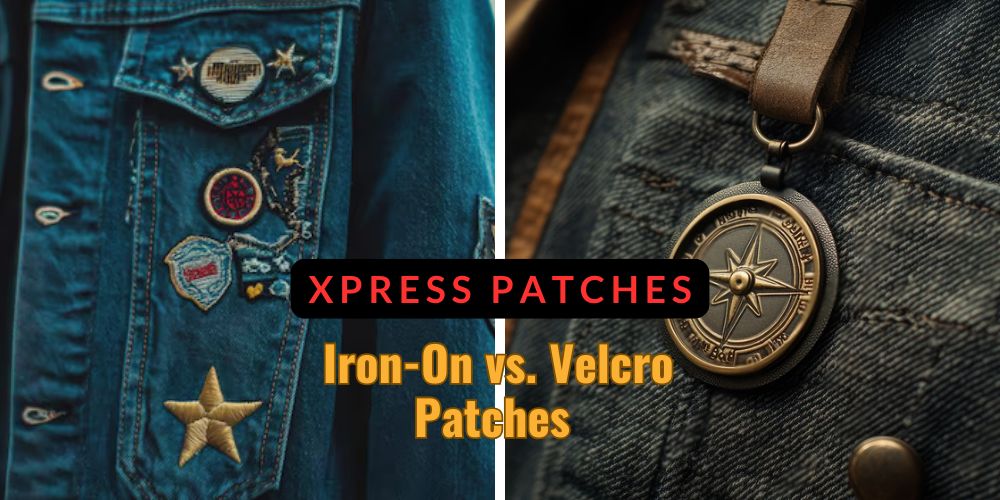
Heat-activated adhesive defines iron-on backing, allowing patch attachment through simple household iron application. The thermoplastic adhesive melts when exposed to heat, bonding the patch directly to fabric fibres. This backing type eliminates the need for sewing skills or specialised equipment, making it the most accessible option for home crafters and casual users. Iron-on patches typically endure 25-30 wash cycles before adhesive strength diminishes, though sewing around the edges extends their lifespan considerably.
3. Velcro Backing
The hook-and-loop system of velcro backing revolutionised patch versatility in professional settings. The hook component (rough, scratchy side) attaches permanently to the patch, whilst the loop component (soft, fuzzy side) secures to the garment. This two-part system enables instant removal and repositioning without damaging either the patch or fabric. Military personnel, law enforcement officers, and tactical professionals favour this backing for its flexibility in displaying rank insignia, unit identifications, and morale patches that change based on assignment or preference.
4. Self-Stick Backing
Adhesive-coated self-stick backing functions identically to standard stickers, featuring a peel-away protective layer that reveals sticky backing. This temporary solution suits single-event applications, promotional giveaways, and situations requiring quick attachment without permanent commitment. The adhesive weakens progressively with exposure to moisture, heat, and repeated handling, making it unsuitable for garments requiring regular laundering.
How Does Fabric Type Influence the Choice of Patch Backing?
The fabric you’re attaching a patch to directly determines which backing types will work effectively and which will fail. Each material has unique properties—texture, heat tolerance, weave density, and flexibility—that interact differently with adhesives, heat, and stitching methods.
Cotton Patches and Fabric Compatibility
Cotton stands as the most versatile fabric for patch backing compatibility. The natural fibres create an ideal surface for heat-activated adhesives, making iron-on backing particularly effective on cotton patches and cotton garments. The fabric’s ability to withstand high temperatures without melting allows the adhesive to bond properly during application. Sew-on options with plastic backing also perform exceptionally well on cotton, as the needle passes through the material cleanly without causing runs or tears. Even temporary adhesive backings grip cotton’s textured surface more reliably than smoother synthetics.
Synthetic Fabrics Require Specific Backing Solutions
Nylon patches and polyester fabrics present distinct challenges that rule out certain backing types entirely. Iron-on backing fails on these materials because the heat required to activate the adhesive often melts or warps the synthetic fibres, creating permanent damage. The smooth, tightly-woven surface of nylon also prevents adhesives from gripping effectively, causing patches to peel away after minimal wear.
Sew-on backing with plastic support becomes the primary choice for synthetics, providing secure attachment without heat exposure. Velcro backing offers another excellent solution, particularly for nylon patches used in tactical or outdoor applications where the fabric’s water resistance and durability matter most. The hook-and-loop system mechanically fastens to the fabric without relying on adhesion or heat bonding.
Leather and Vinyl Demand Robust Attachment Methods
Leather patches and vinyl materials require the strongest attachment methods available. These dense, non-porous surfaces reject adhesives almost entirely, making iron-on and self-stick backings completely unsuitable. The material’s thickness and resistance to penetration mean that sewing requires specialised needles and considerable force.
Sew-on backing remains the gold standard for leather applications, though the process demands heavy-duty thread and careful technique to avoid tearing. Vel
Which Backing Types Offer the Best Durability for Long-Term Use?
Sew-on patches with plastic backing deliver the highest durability for long-term applications. The combination of stitched attachment and rigid plastic support creates a bond that withstands years of wear, frequent washing, and harsh conditions without degradation.
Ranking Durable Patch Backings by Longevity
When selecting long-lasting patches, understanding the lifespan of each backing type helps match your needs with the right option:
1. Sew-on with Plastic Support (Most Durable)
Remains secure indefinitely when properly stitched
Plastic layer prevents fraying and maintains shape integrity
Survives industrial washing cycles and heavy-duty use
Ideal for uniforms, workwear, and heirloom items
2. Iron-On Backing (Moderate Durability)
Maintains adhesion for approximately 25-30 wash cycles
Heat and detergent gradually weaken the adhesive bond
Performance varies based on water temperature and washing frequency
Longevity depends entirely on stitching quality and hook-loop integrity
Professional stitching provides years of reliable attachment
Hook material may accumulate lint, reducing grip strength
Loop side typically outlasts hook side in durability
4. Pin Backing (Reusable but Limited)
Metal components resist corrosion and maintain function
Butterfly clutches may loosen with repeated use
Creates small holes in fabric over time
Best suited for occasional wear rather than daily use
5. Adhesive Backings (Shortest Lifespan)
Self-stick patches weaken after 5-10 washes
Moisture and heat accelerate adhesive breakdown
Magnetic backings maintain hold but limited to lightweight patches
Designed for temporary or single-event applications
Factors Affecting Patch Backing Durability
The washing method dramatically impacts how long durable patch backings maintain their integrity. Hand washing extends the life of iron-on and adhesive options, whilst machine washing on gentle cycles with cold water preserves.
What Are the Advantages and Limitations of Iron-On Backing?
Iron-on patches offer unmatched convenience for home application, requiring only a household iron and a few minutes to permanently attach patches to fabric. The heat-activated adhesive bonds quickly to compatible materials, making them ideal for DIY enthusiasts, parents adding patches to children’s clothing, or anyone seeking a no-sew solution.
Key Advantages of Iron-On Patches
Simple application process stands as the primary benefit. Position the patch, apply heat with an iron for 30-45 seconds, and the adhesive creates a strong bond without threading needles or visiting a tailor. This accessibility makes iron-on backing particularly attractive for:
Quick repairs and customisation projects at home
Adding patches to children’s uniforms or school bags
Cost-effectiveness represents another significant advantage. Iron-on patches eliminate professional application fees, allowing bulk customisation without additional labour costs. Many users successfully apply dozens of patches in a single session, perfect for team uniforms or promotional giveaways.
The backing also provides moderate durability for everyday wear. When properly applied to suitable fabrics, iron-on patches withstand 25-30 wash cycles before showing signs of lifting or adhesive degradation. Reinforcing the edges with basic stitching extends this lifespan considerably.
Critical Limitations to Consider
Fabric compatibility severely restricts iron-on patch applications. The heat-activated adhesive fails to bond effectively with:
Nylon and other synthetic materials that melt under high heat
Leather and vinyl surfaces that cannot absorb the adhesive
Corduroy fabrics where ridges prevent uniform contact
Waterproof or treated materials with protective coatings
Attempting to iron patches onto incompatible fabrics results in poor adhesion, potential fabric damage, or melted synthetic fibres. Cotton, cotton blends, and denim remain the safest choices for iron-on backing.
Temperature sensitivity poses ongoing challenges. Excessive heat during application can scorch delicate fabrics or melt the patch itself, whilst insufficient heat prevents proper bonding. Different fabric weights require adjusted iron temperatures, creating a learning curve for
When Is Velcro Backing the Most Practical Choice?
Velcro backing becomes the most practical choice when you need the flexibility to remove, swap, or reposition patches frequently. The hook and loop system consists of two components: the rough hook side sewn directly onto your patch, and the soft loop side attached to your garment, creating a secure yet easily detachable bond.
The velcro patch benefits shine in professional environments where personnel must adapt their identification quickly. Military uniforms exemplify this perfectly—service members can swap unit patches, rank insignia, or flag patches within seconds when transferring between assignments or updating their credentials. Law enforcement officers similarly benefit from this system, allowing them to modify patches for different duties, specialised units, or ceremonial occasions without maintaining multiple uniforms.
The hook and loop system offers distinct advantages beyond simple removal:
Instant customisation without tools or heat application
Preservation of garment integrity since you’re not repeatedly sewing and removing patches
Cost-effective rotation of seasonal or promotional patches on the same base garment
Reduced wear on expensive uniforms from constant needle punctures
Tactical gear users particularly value velcro backing because it accommodates the dynamic nature of their work. A single jacket can display different team identifiers, morale patches, or operational insignia depending on the mission requirements. Emergency services personnel also adopt this backing type, enabling quick identification changes between departments or roles.
Velcro backing comes in two configurations: single-sided (hook only) or double-sided (fuzzy material on both sides). Single-sided velcro requires you to sew or attach loop material to your garment first, whilst double-sided options provide more versatility by adhering to any compatible velcro surface.
The durability of velcro-backed patches depends heavily on the stitching quality securing the hook material to the patch. Well-constructed velcro patches withstand hundreds of attachment cycles and regular washing when properly maintained. The adhesive strength remains consistent across temperature variations, making velcro suitable for outdoor gear, sports uniforms, and workwear exposed to challenging conditions.
How Suitable Are Self-Stick and Pin Backings for Temporary Applications?
Self-stick and pin backings excel when you need a patch for short-term use without permanent attachment. These temporary patch backings offer the flexibility to apply and remove patches without damaging the underlying fabric, making them ideal for situations where commitment isn’t required.
Self-Stick Backing
Self-stick backing functions like a sticker, featuring an adhesive layer protected by a peel-away film. This backing type works perfectly for:
Single-day events such as conferences, trade shows, or festivals
Promotional campaigns with limited duration
Testing patch placement before committing to permanent attachment
Rental uniforms or borrowed garments
Children’s costumes that change frequently
The adhesive strength varies by manufacturer, but most self-stick patches maintain their grip for several hours to a few days. Heat, moisture, and repeated handling gradually weaken the bond. Washing typically destroys the adhesive completely, rendering the patch unusable for reattachment. Some users apply self-stick patches to smooth, non-fabric surfaces like laptop cases or folders, where they perform better than on textured materials.
Pin Backing
Pin backing transforms patches into wearable accessories similar to brooches or badges. A metal pin protrudes from the back of the patch, secured by a butterfly clutch or similar fastener. This backing type suits:
Jackets and bags where pin holes won’t cause concern
Rotating patch displays on the same garment
Collectible patches that move between different items
Professional settings requiring daily uniform changes
Delicate fabrics that shouldn’t endure heat or adhesives
Pin backings offer unlimited reusability—the same patch can transfer between dozens of garments without losing functionality. The main limitation involves the small holes left in fabric after removal, though these typically close on their own in most materials. Heavier patches may sag or tilt on lightweight fabrics, and the pins can catch on other items during storage or wear.
Common Advantage
Both backing types share a common advantage: they require no special tools, skills, or preparation. Anyone can apply a self-stick patch in seconds or attach a pin-backed patch with minimal effort. This accessibility makes them popular choices for last-minute needs or situations where sewing equipment isn’t available.
What Unique Applications Do Button Loop and Magnetic Backings Serve?
Button Loop Patches: A Time-Honoured Solution
Button loop patches scouting badges represent a traditional attachment method where a twisted fabric loop extends from the patch’s back, designed to hook around a button. This backing style earned its reputation through decades of use in scouting organisations, where merit badges hang from uniform shirts using existing buttons. The system allows young scouts to display their achievements without requiring sewing skills or parental assistance.
The button loop method works best when garments already feature strategically placed buttons. Scout uniforms typically include dedicated button placements for this purpose. Youth organisations favour this approach because children can independently add or rearrange their patches, fostering a sense of accomplishment and ownership over their uniform displays.
Magnetic Backings: A Versatile Alternative
Magnetic backings deliver a completely different solution, eliminating the need for any sewing, heating, or piercing of fabric. These patches contain a small, powerful magnet sandwiched between the patch face and backing material. An oppositely charged magnet disc sits on the garment’s reverse side, creating a secure hold through the fabric layers.
The magnetic patch advantages novelty use become apparent in several specific scenarios:
Delicate fabrics: Silk, chiffon, or vintage textiles that shouldn’t be punctured or exposed to heat
Rental garments: Costumes or formal wear where permanent alterations aren’t permitted
Frequent rotation: Collections displayed on jackets or bags where users want daily variety
Children’s clothing: Quick attachment without sharp pins that pose safety risks
Promotional events: Staff or attendee identification that needs rapid distribution and collection
Magnetic backings shine in novelty applications where the patch serves as a conversation piece rather than a permanent garment feature. Trade show vendors distribute magnetic patches knowing recipients can immediately attach them to clothing without tools. Businesses use them for temporary employee identification during special events.
The strength of magnetic backings varies based on patch size and magnet quality. Smaller patches (under 5cm) hold securely on most fabric weights. Larger patches may require multiple magnet points or stronger rare-earth magnets. Thick fabrics like heavy denim or winter coats can reduce magnetic grip, making this backing less reliable for outdoor work uniforms.
Button loop patches maintain their niche in traditional youth organisations and ceremonial settings where preserving garment integrity is paramount.
How to Choose Between Permanent and Removable Patch Backings
Deciding between permanent and removable patch backings depends on a few factors:
How often you’ll need to reposition or swap patches
The intended lifespan of the garment
Whether you value flexibility over long-term security
Permanent backings like plastic-backed sew-on options, which can be learned more about in this guide on how to sew a patch, create lasting bonds. On the other hand, removable backings such as Velcro, pins, or magnets allow for frequent changes.
Garment Type and Ownership
Do you own the garment or uniform you’re attaching patches to? Rental uniforms, work clothing provided by employers, or borrowed items require removable solutions to avoid permanent alterations. Velcro or pin backings preserve the original garment’s condition, making them ideal for temporary assignments or seasonal work positions.
Personal clothing offers more freedom. If you’re customising a favourite jacket you plan to keep for years, sew-on backing with plastic support delivers maximum durability. For fashion-forward individuals who rotate patches based on trends or moods, Velcro or magnetic options provide the flexibility to refresh looks without commitment.
Usage Frequency and Laundering Demands
How often will the patched item face washing machines and dryers? Garments requiring frequent laundering—such as work uniforms, children’s clothing, or sports gear—benefit from considerations that prioritise durability. Sew-on backing withstands hundreds of wash cycles, while iron-on backing maintains adhesion through 25-30 washes before potentially requiring reinforcement.
Items worn occasionally or displayed rather than washed suit removable backings. Collector jackets, ceremonial uniforms, or decorative bags rarely see washing machines, making the reduced durability of adhesive, pin, or magnetic backings acceptable trade-offs for convenience.
Collection and Display Purposes
Are you building a patch collection you’ll want to reorganise or showcase differently over time? Collectors often prefer removable backings that allow patches to move between display boards, garments, and storage without damage. Pin backings transform patches into wearable art that transitions from denim jackets to canvas bags to felt boards.
Military personnel, law enforcement officers, and outdoor enthusiasts may also find value in removable backings for their specific needs. Tactical gear often requires adaptability in order to accommodate different missions or environments. By opting for Velcro or magnetised patches on uniforms or backpacks, these individuals can easily swap out insignias based on operational requirements while maintaining a professional appearance.
Conclusion
Selecting the right backing transforms a custom patch from a simple accessory into a functional, long-lasting addition to your garment or item. The Definitive Guide to Choosing the Right Backing for Your Custom Patches emphasises one critical principle: your intended use should always drive your backing choice.
Before committing to a backing type, ask yourself these essential questions:
Will this patch remain on one garment permanently, or does it need to move between items?
How frequently will the item be washed or exposed to wear?
What fabric will host the patch?
Does the application method need to be simple enough for home use?
Is professional appearance or casual flexibility more important?
The choosing custom patch backing summary best practices boil down to matching your specific requirements with the appropriate backing characteristics. A military uniform demands the flexibility of Velcro, whilst a treasured jacket deserves the permanence of sewn-on patches with plastic backing. Event merchandise works perfectly with self-stick backing, and children’s clothing benefits from the simplicity of iron-on options.
Test your backing choice on a small fabric sample when possible, particularly for valuable or delicate materials. This simple step prevents disappointment and ensures your patch performs exactly as expected.
Your patch represents your brand, achievement, or personal style. The backing you choose determines whether it stays securely in place through years of use or falls off after the first wash. Take the time to assess your needs, consult this guide when uncertain, and select the backing that aligns with both your practical requirements and long-term expectations. The right backing choice ensures your custom patch looks professional and performs flawlessly for its entire lifespan.
What Are Acrylic Pins and Why Should Artists Choose Them?
Acrylic pins are lightweight, durable accessories created by printing designs onto clear acrylic sheets and cutting them into custom shapes. Artists have embraced these pins as an affordable way to transform their illustrations, characters, and designs into wearable merchandise that fans can collect and display.
The material makes all the difference. Most quality acrylic pins use 3mm recycled clear acrylic sourced from plastics that would otherwise end up in landfill or incinerators. This recycled material performs identically to virgin acrylic whilst being VOC and HFC free, making it an environmentally responsible choice without compromising on quality.
The sustainable acrylic pins approach offers distinct advantages:
Cost-effectiveness: Recycled acrylic material typically costs less than virgin alternatives, allowing artists to produce pins at lower price points
Environmental impact: Diverts plastic waste from landfill and reduces the need for new plastic production
Quality assurance: The 3mm thickness provides durability and a premium feel that customers appreciate
Clear printing surface: The transparent acrylic allows for vibrant colour reproduction and crisp detail
Using sustainable materials adds tangible value to your final product. Customers increasingly seek eco-conscious merchandise, and being able to market your pins as made from recycled materials can differentiate your work in a crowded marketplace. Artists who prioritise sustainability often find their audience more engaged and willing to support their creative endeavours.
The benefits of acrylic pin extend beyond environmental considerations. The material is scratch-resistant, won’t fade over time, and maintains its clarity for years. This longevity means customers receive a product that preserves your artwork’s integrity, building trust in your brand and encouraging repeat purchases.
How Should Artists Prepare Their Artwork for Acrylic Pins?
Artwork preparation for pins begins with creating or converting your design to a high-resolution digital file at minimum 300dpi. This resolution ensures crisp, professional-looking prints where every detail of your artwork translates clearly onto the acrylic surface. Lower resolution files will appear pixelated or blurry when printed, diminishing the quality of your final product.
Understanding Resolution Requirements
The 300dpi standard exists because acrylic pins showcase artwork at actual size without reduction. When viewers examine your pin up close, they’ll notice any quality compromises immediately. High-resolution digital art maintains colour accuracy, preserves fine lines, and ensures text remains legible even at small sizes.
Digital artwork created in vector format (such as Adobe Illustrator files) can be scaled infinitely without quality loss. Raster images from Photoshop or similar programmes require careful attention to both resolution and physical dimensions from the start.
Matching Artwork Size to Pin Dimensions
Your digital canvas should match your intended pin size exactly, accounting for the 300dpi requirement. A 2-inch pin requires artwork measuring 600 pixels by 600 pixels at minimum (2 inches × 300dpi). Creating artwork larger than needed provides flexibility, whilst undersized files cannot be enlarged without quality degradation.
Consider these sizing guidelines:
Small pins (1-1.5 inches): 300-450 pixels per side
Medium pins (2-2.5 inches): 600-750 pixels per side
Large pins (3+ inches): 900+ pixels per side
Leave a small margin around your main design elements. This buffer zone prevents important details from being lost during the cutting process.
Choosing Optimal File Formats
PNG files work best for most acrylic pin designs, particularly those featuring transparency or sharp edges. The format supports transparent backgrounds, allowing your design to appear as a custom cut-out shape rather than a rectangular pin.
JPEG files suit photographic artwork or designs without transparency needs, though they use compression that can introduce subtle quality loss. For artwork preparation for pins, save JPEGs at maximum quality settings (10 or 100% in most programmes).
What Happens During the Artwork Submission and Proofing Process for Acrylic Pins?
1. Artwork Submission
The artwork submission process typically begins with uploading your digital files through the manufacturer’s online portal or email system. Most reputable manufacturers provide artwork setup services at no additional cost, handling the technical preparation needed to transform your design into a production-ready file. This service removes the burden of understanding complex printing specifications, allowing you to focus on your creative work.
2. Setup Team Review
The setup team examines your submitted artwork for potential issues such as colour accuracy, resolution quality, and proper sizing. They adjust the file to ensure optimal printing results on the 3mm recycled acrylic surface. If your design requires modifications—such as adding bleed areas, adjusting colour profiles, or resizing elements—the team makes these changes and documents them for your review.
3. Digital Proof Approval
Digital proof approval serves as your final checkpoint before production begins. The manufacturer generates a detailed digital mockup showing exactly how your design will appear on the finished pin, including:
Precise dimensions and shape outline
Colour representation as it will print on clear acrylic
Placement of pin backing attachment points
Any white underprinting or special effects
This proof arrives via email, usually within 24 to 48 hours of your initial submission. The digital representation allows you to catch errors, request colour adjustments, or modify design elements before any physical production occurs.
4. Best Practices for Reviewing Your Proof
Examine your proof on a calibrated monitor in good lighting conditions. Check that all text remains legible at the pin’s actual size, paying special attention to small fonts or intricate details. Verify that colours match your original vision, keeping in mind that acrylic’s transparent nature may affect how certain hues appear.
Compare the proof dimensions against your original specifications. Confirm that critical design elements sit within safe zones, avoiding areas where the pin backing will attach. Look for any unexpected white spaces, cut lines, or background elements that may have been added during setup.
It’s important to remember that you may need to submit an artwork proof during this process for necessary adjustments based on feedback from the manufacturer. Request revisions promptly if needed; most manufacturers allow multiple proof rounds without additional charges, though each revision extends your production timeline. Once satisfied with the adjustments made following the proof approval process, provide explicit written approval—typically through email confirmation or an online approval system—to authorise production to proceed.
How Are Acrylic Pins Manufactured from Digital Artwork?
The acrylic pin manufacturing process transforms your approved digital design into a physical product through advanced printing and precision cutting techniques. Once you’ve approved the digital proof, manufacturers begin production by printing your artwork directly onto 3mm recycled clear acrylic sheets using specialised UV digital printers that ensure vibrant, long-lasting colours.
Digital Printing on Acrylic
The printing stage uses high-resolution UV printing technology that bonds ink directly to the acrylic surface. This method produces sharp, detailed images with excellent colour accuracy that matches your original artwork. The UV curing process happens instantly, meaning the ink dries immediately upon contact with the acrylic, preventing smudging and ensuring durability.
White ink serves as a base layer beneath coloured designs, creating opacity and preventing transparency where your artwork requires solid colours. This underlayer ensures your design appears exactly as intended, even on clear acrylic material.
Custom Cutting Pins
After printing, the acrylic sheets move to precision cutting equipment that shapes each pin according to your specifications. Manufacturers typically use one of two methods:
Laser cutting for intricate designs with detailed edges and complex shapes
CNC routing for larger production runs requiring consistent, clean cuts
The cutting process follows the exact outline you’ve specified in your artwork file. Manufacturers can accommodate virtually any shape, from simple circles and squares to elaborate character silhouettes and custom designs with multiple points and curves.
Finishing and Assembly
Each cut acrylic piece undergoes quality inspection before assembly. Manufacturers attach sturdy metal pin backs to the reverse side using industrial-grade adhesive that creates a permanent bond. Standard butterfly clutch backs provide basic security, whilst locking pin backs offer enhanced protection against accidental loss.
The attachment process positions the pin back strategically to ensure proper balance when worn. For larger or irregularly shaped pins, manufacturers may recommend specific placement to prevent tilting or drooping when attached to fabric
Why Is Ordering Samples Before Full Production Recommended for Acrylic Pins?
Ordering sample pins allows you to physically hold your design and assess whether it meets your expectations before committing to a larger production run. Prototype acrylic pins reveal details that digital proofs simply cannot show—how colours appear on clear acrylic, whether fine lines remain crisp, and how the overall size feels in hand.
What Can You Learn from Quality Check Samples?
Physical samples expose potential issues invisible on screen. The translucency of recycled acrylic affects colour vibrancy differently than paper or fabric products. Dark designs may appear lighter when printed on clear material, whilst certain colour combinations might create unexpected visual effects when light passes through the pin.
Key aspects to evaluate in your sample:
Colour accuracy – Compare the physical pin against your original artwork to check if adjustments are needed
Size appropriateness – Verify the dimensions work for your intended use and audience
Edge quality – Inspect the custom cutting precision around your design’s contours
Pin backing security – Test the attachment mechanism to ensure it functions properly
How Do Samples Prevent Costly Production Mistakes?
Ordering a single prototype acrylic pin costs significantly less than discovering flaws after manufacturing hundreds of units. Artists often find that elements requiring adjustment only become apparent when viewing the three-dimensional product. Text might be smaller than anticipated, or a design element that looked perfect digitally may need repositioning on the physical pin.
Manufacturers typically store your artwork files for several months after producing samples. This storage system enables quick reordering once you approve the sample, eliminating the need to resubmit files or repeat the setup process. You can request specific modifications based on your sample evaluation, ensuring the final production run matches your vision exactly.
When Should You Order Multiple Sample Variations?
Artists creating several designs simultaneously benefit from ordering samples of each variation. This approach helps maintain consistency across a collection, ensuring all pins share similar quality standards and visual impact. Testing different sizes of the same design also proves valuable—a complex illustration might work beautifully as a larger pin but lose detail when scaled down.
How Long Does It Take to Produce and Deliver Acrylic Pins?
Acrylic pin production time usually takes between 5 to 7 working days after you approve the digital proof. This time includes the entire manufacturing process, from printing your design onto recycled acrylic sheets to cutting and attaching the metal pin backs.
The production clock starts only when you’ve given final approval on your digital proof. Any delays in reviewing or requesting changes to the proof will extend the overall timeline. Manufacturers usually send proofs within 24 to 48 hours of receiving your artwork, so quick feedback keeps your project moving forward.
What Factors Affect Production Speed?
Several things can affect how quickly your pins are made. According to this article, some of the main factors include:
Order complexity – Multiple designs or intricate cutting shapes may require additional processing time
Order quantity – Larger volumes sometimes need extra production days, though many manufacturers maintain consistent timelines regardless of quantity
Peak seasons – Holiday periods or convention seasons can increase demand and extend production schedules
Revision requests – Changes made after initial proof approval restart the production timeline
How Do Shipping Times for Pins Vary?
Shipping times for pins depend heavily on where you are located and which delivery service you choose. Domestic orders within the UK usually arrive within 2 to 5 working days using standard postal services. Express shipping options can reduce this to 1 to 2 working days for urgent orders.
International shipments take much longer to deliver. European destinations generally take 5 to 10 working days, while orders to North America, Asia, or Australia can take 10 to 21 working days depending on customs processing and which courier service you choose.
Can Artists Track Their Pin Orders?
Most manufacturers provide tracking information once your pins ship. This allows you to monitor your package’s journey and estimate arrival dates more accurately. Premium shipping services typically offer more detailed tracking updates compared to standard postal options.
Some suppliers keep your approved artwork files for several months after production, making it easy for you to reorder without going through the entire setup process again. This is especially useful when you need to restock quickly for upcoming events or conventions.
Understanding these factors not only helps in managing expectations but also aids in better planning for future orders. For instance, being aware of the special topics in trade shifts can provide valuable insights into global supply chain dynamics that could further influence production and delivery timelines.
What Eco-Friendly Packaging Options Are Available for Acrylic Pins?
Sustainable packaging pins complete the eco-friendly journey that begins with recycled acrylic materials. Manufacturers offer environmentally conscious packaging solutions that align with the sustainable values many artists want to represent through their products.
1. Recycled Cardstock Backing Cards
Recycled cardstock backing cards serve as the foundation for presenting your acrylic pins professionally whilst maintaining environmental responsibility. These cards are manufactured from previously used paper products, diverting waste from landfills and reducing the demand for virgin materials. The cardstock provides a sturdy surface for displaying your artwork, brand information, and pin details without compromising on quality or appearance.
2. Biodegradable Display Bags
Biodegradable display bags protect your pins during storage and shipping whilst decomposing naturally when disposed of. Unlike traditional plastic packaging that persists in the environment for hundreds of years, these bags break down through natural processes. They offer the same protective qualities as conventional options but without the long-term environmental impact.
3. Customisation Options
Can you customise eco-friendly packaging to match your brand? Many manufacturers allow artists to personalise their recycled backing cards with custom designs, logos, and colour schemes. This customisation creates a cohesive brand experience from the pin itself through to its presentation, all whilst maintaining sustainable practices.
The combination of recycled acrylic pins with sustainable packaging creates a fully eco-conscious product. This approach resonates particularly well with environmentally aware customers who actively seek products that minimise environmental harm. When you turn your art into a high-quality acrylic pin using these methods, you’re not just creating merchandise—you’re making a statement about responsible production and consumption.
Artists can confidently market their pins as genuinely sustainable products when every element, from material selection to packaging, reflects environmental consideration. This authenticity strengthens brand identity and appeals to the growing market of conscious consumers.