

For homeowners and builders, the real question is not whether every root disappears, but whether the remaining roots will affect landscaping, paving, drainage, or future planting.
Does stump grinding remove all tree roots?
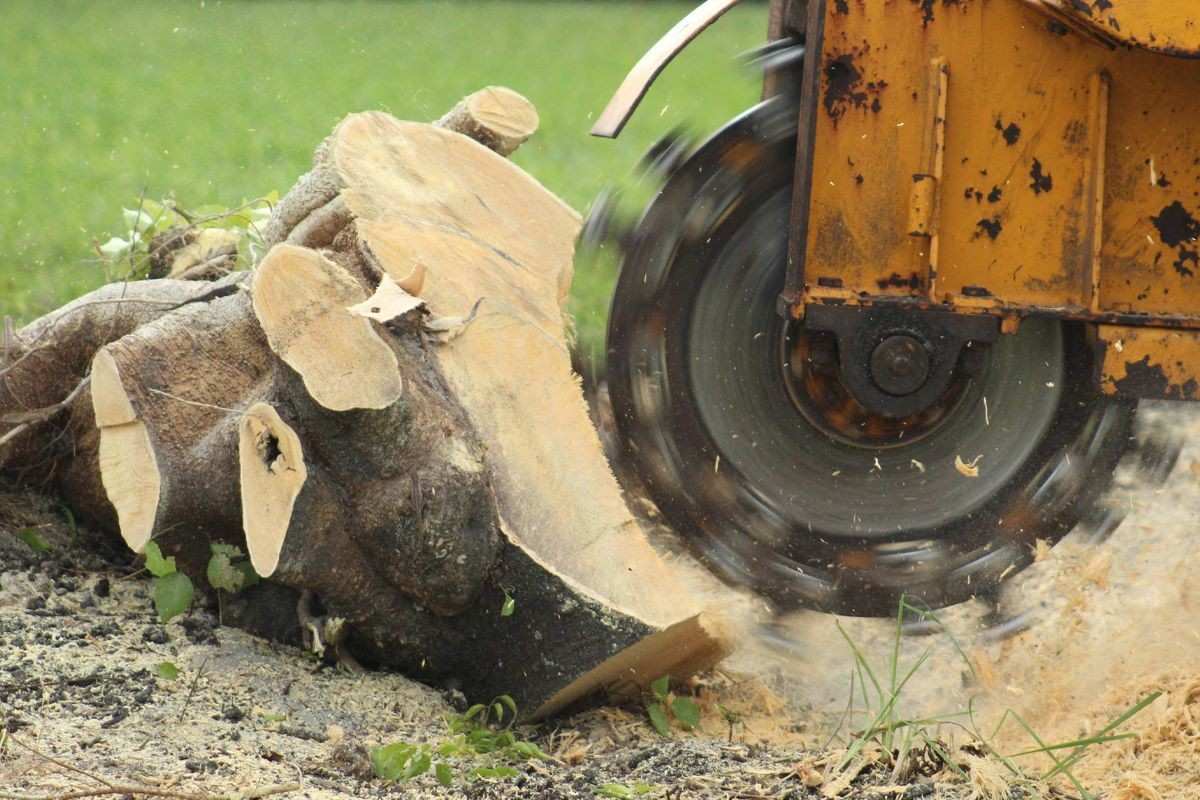
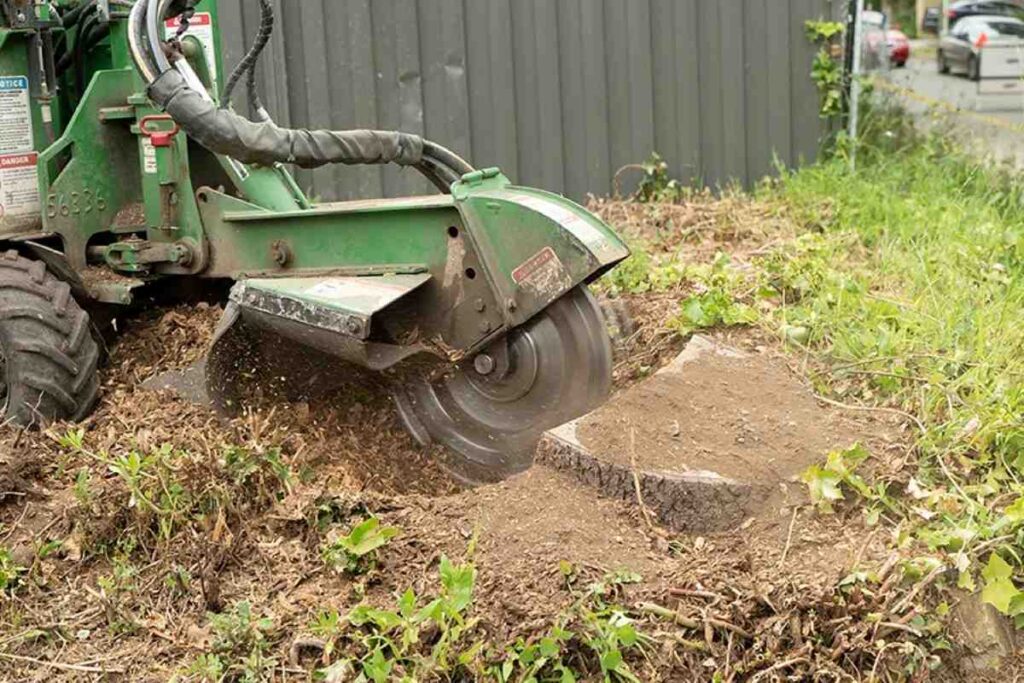
No. Stump grinding Sydney typically removes the stump to below ground level and grinds a limited radius of major surface roots near the trunk. The wider, deeper root network is left in place because it spreads far beyond the stump and is not practical to chase with a grinder.
Most established trees have roots extending well past the canopy line, so “full root removal” would require excavation, not grinding.
How deep does stump grinding go in Sydney conditions?
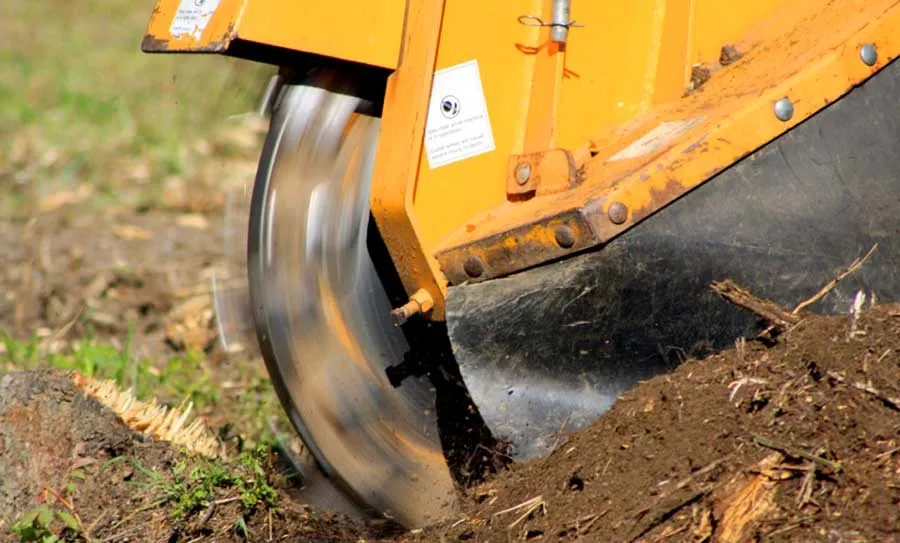
Most stump grinding is done roughly 150 to 300 mm below ground level, though deeper grinding is sometimes requested for re-turfing or shallow landscaping. In Sydney, depth can be limited by access, soil type, buried rock, and nearby services.
Even when ground deeper, that depth does not equal full root removal. It only reduces the stump and immediate root crown.
What happens to the roots left behind?
They usually die and decay gradually. As they break down, they can leave small voids in the soil, which may lead to minor settling in garden beds or lawns. In most residential yards this is manageable with top-ups of soil and normal maintenance.
If the tree was removed due to disease, the decaying roots can still affect future planting decisions in that area.
Can roots keep growing after stump grinding?
In most cases, no, because the tree has been removed and the roots lose their energy source. However, some species can produce suckers from remaining roots, especially if the tree was cut and not fully killed before grinding.
Where suckering is common, they may recommend targeted herbicide treatment, root barrier solutions, or extra removal near problem zones.
Will stump grinding stop roots from damaging pipes or paving?
It depends on the cause of the damage. If roots already invaded a pipe, stump grinding alone will not remove those roots inside the line, and they can remain a blockage risk until the pipe is cleared and repaired. If paving is heaved by large structural roots, grinding the stump does not undo the uplift.
For hardscape or plumbing problems, they usually pair stump grinding with drain inspection, root cutting, or excavation in the affected area.
Other Resorces : Established pests and weeds
Is full root removal ever necessary?
Yes, when future works require a clear subgrade. If they are installing a slab, driveway, retaining wall footings, or significant paving, remaining roots can interfere with compaction and long-term stability. In those cases, excavation and removal of major roots in the footprint is often the right call.
For simple lawn replacement or garden beds, stump grinding is usually sufficient.
How can they tell if remaining roots will be a problem?
They can start by considering the tree size, species, distance to structures, and the next planned use of the area. Large trees close to fences, pools, paths, and services are more likely to have large roots in critical zones. If there are signs of movement in paving, recurring drain issues, or a tight build schedule, further investigation helps.
Many choose a practical approach: grind first, then address specific root issues only where they appear. Click here to learn more about tree pruning Hornsby cost.
What should they ask a stump grinding Sydney provider before booking?
They should ask what depth will be achieved, whether surface roots near the stump are included, and what happens to the grindings. It also helps to ask how they manage access, underground services, and clean-up, and whether they can advise on suckering risk for that species.
If they plan to build or pave, they should share those plans up front so the grinder depth and method match the intended finish level.
FAQs (Frequently Asked Questions)
Does stump grinding in Sydney remove all of a tree’s roots?
No, stump grinding in Sydney removes the visible stump and some nearby root flare but does not fully remove the entire root system. Most roots remain underground, as the wider and deeper root network extends far beyond the stump and is impractical to grind.
How deep does stump grinding typically go in Sydney conditions?
Stump grinding usually goes about 150 to 300 mm below ground level in Sydney. Deeper grinding can be requested for re-turfing or shallow landscaping, but depth may be limited by soil type, buried rock, access, and nearby underground services.
What happens to the roots left behind after stump grinding?
The remaining roots generally die and decay gradually over time. As they break down, they may leave small voids causing minor settling in garden beds or lawns, which is manageable with soil top-ups and regular maintenance. If the tree was removed due to disease, decaying roots might still affect future planting decisions.
Can roots continue to grow after stump grinding?
In most cases, no. Since the tree is removed and roots lose their energy source, they do not keep growing. However, some species can produce suckers from remaining roots if the tree was cut but not fully killed before grinding. Targeted herbicide treatments or root barriers may be recommended in such cases.
Will stump grinding prevent roots from damaging pipes or paving?
Stump grinding alone may not stop root damage to pipes or paving. Roots already inside pipes remain a blockage risk until cleared and repaired. Structural roots causing paving uplift are not undone by grinding. Typically, stump grinding is paired with drain inspection, root cutting, or excavation to address these issues effectively.
Is full root removal necessary for all projects after stump grinding?
Full root removal is necessary when future construction requires a clear subgrade, such as installing slabs, driveways, retaining walls footings, or significant paving where remaining roots can affect compaction and stability. For simpler tasks like lawn replacement or garden beds, stump grinding alone is usually sufficient.