
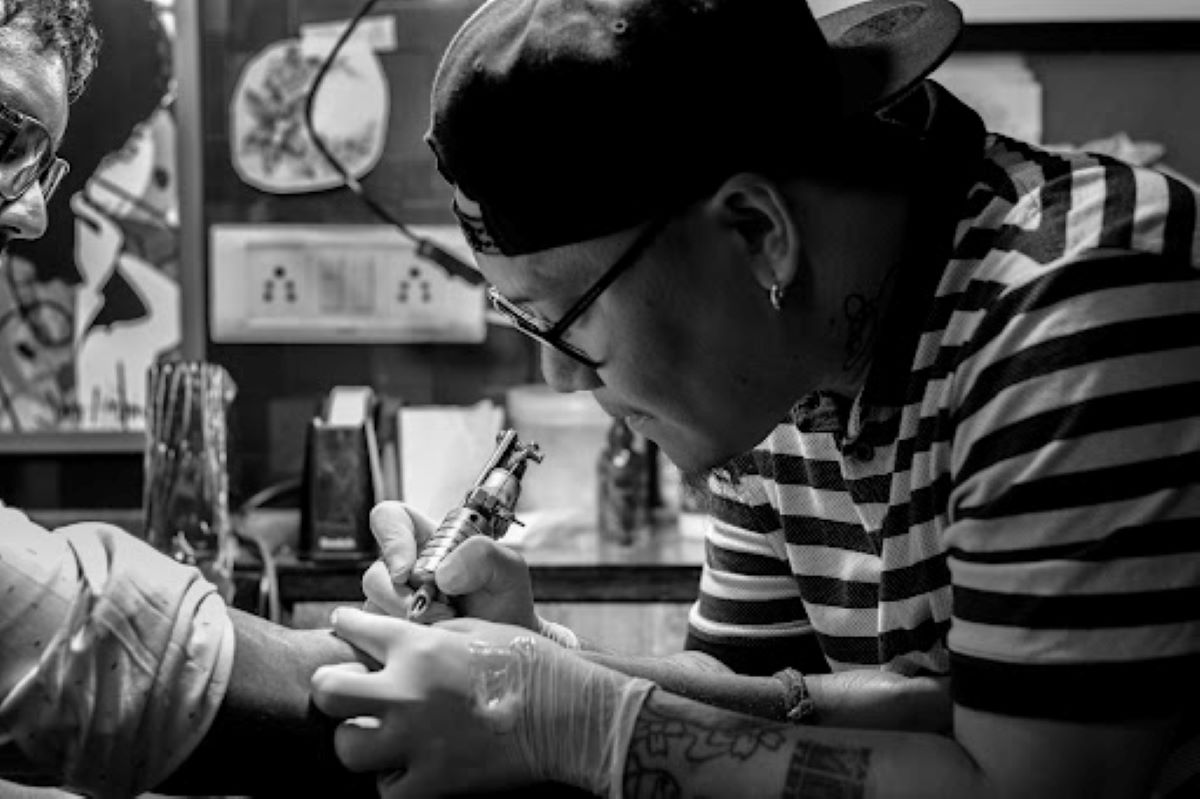
A tattoo is permanent, but the decision does not need to feel overwhelming. If they know what to look for, the “right” shop usually becomes obvious.
What should they look for first when comparing tattoo shops?
When choosing an Eastern Suburbs tattoo shop, the first thing to consider should be portfolio quality and consistency. If the shop regularly produces clean lines, solid shading, and healed work that still looks crisp, it is a strong sign of professionalism.
A good Eastern Suburbs tattoo shop will also clearly state its style strengths. A shop that specialises in fine line may not be the best fit for bold traditional work, and vice versa.
How can they tell if an artist’s style matches their idea?
They should scan the artist’s portfolio for tattoos that resemble their concept in both subject and technique. It is not enough that the work looks good; it needs to look good in the specific style they want.
They should also look for repeatable results across multiple clients, not just one or two standout photos. Consistency usually matters more than a single viral piece.
Why should they ask to see healed tattoos, not just fresh ones?
Fresh tattoos can look perfect because the skin is still bright and the photo is often taken in ideal lighting. Healed tattoos show the real outcome, including how lines settle and how shading holds.
If the shop or artist shares healed work, it usually signals confidence and transparency. If they do not, the client can ask politely during the consult.
What hygiene and safety signs should they check in the studio?
They should look for a visibly clean workspace, sealed or single use needles, and barrier protection on high touch surfaces. Artists should use fresh gloves and open new items in front of the client where relevant.
They should also expect proper sharps disposal and clear sterilisation practices for reusable equipment. If anything feels casual or unclear, they should treat that as a serious warning.
How important are licences, certifications, and compliance?
They matter because they indicate the shop is operating within local health requirements. A reputable studio will not be vague about compliance, and they should be comfortable answering basic safety questions.
Even when regulation varies, clients can still judge professionalism. Clear policies, clean processes, and confident explanations usually align with safer outcomes.
What should they ask during a tattoo consultation?
They should ask who will do the tattoo, how the design will be created, and what changes are included before the appointment. They should also ask about placement advice, sizing, and how the tattoo may age on that body area.
They should confirm the expected session length, pain considerations, and aftercare steps. A good consult leaves them feeling informed, not rushed.
How can they judge whether pricing is fair or risky?
They should be cautious of prices that seem dramatically lower than the local average. Cheap tattoos often become expensive when they require cover ups, removal, or corrective work.
Fair pricing usually reflects time, skill, hygiene standards, and demand. They should ask what the quote includes, such as design time, touch ups, and aftercare support. Learn more about what you should look for in a tattoo studio in Sydney.
What role do reviews and word of mouth actually play?
They help identify patterns in communication, punctuality, and how the studio handles issues. One bad review is less important than repeated complaints about the same problem, like poor hygiene, rushed work, or hostile responses.
They should also prioritise reviews that mention healed results and long term satisfaction. Those comments tend to be more useful than reactions posted on the day.
How should they assess the shop’s communication and professionalism?
They should notice how the studio responds to enquiries, whether it answers questions clearly, and whether it sets expectations early. Good communication usually shows up in simple things like confirming deposits, explaining prep, and outlining policies.
They should also pay attention to boundaries. Professionals will guide clients without pressure, and they will say no when a request is unsafe or unrealistic.
What should they know about deposits, policies, and design ownership?
They should read the deposit and cancellation terms before paying anything. A deposit is normal, but the rules should be clear, written, and consistent.
They should also understand that custom designs are typically the artist’s work product. If they want the right to reuse the design elsewhere, they should discuss it upfront rather than assuming.
How can they choose the right shop for fine line, realism, or traditional styles?
They should pick a shop that repeatedly produces the style they want, not one that claims it can do everything. Fine line requires controlled depth and delicate line confidence, realism demands strong value control, and traditional relies on bold line weight and durable colour packing.
They should also consider how the style ages. An honest artist will explain what will hold up best on their skin and placement.
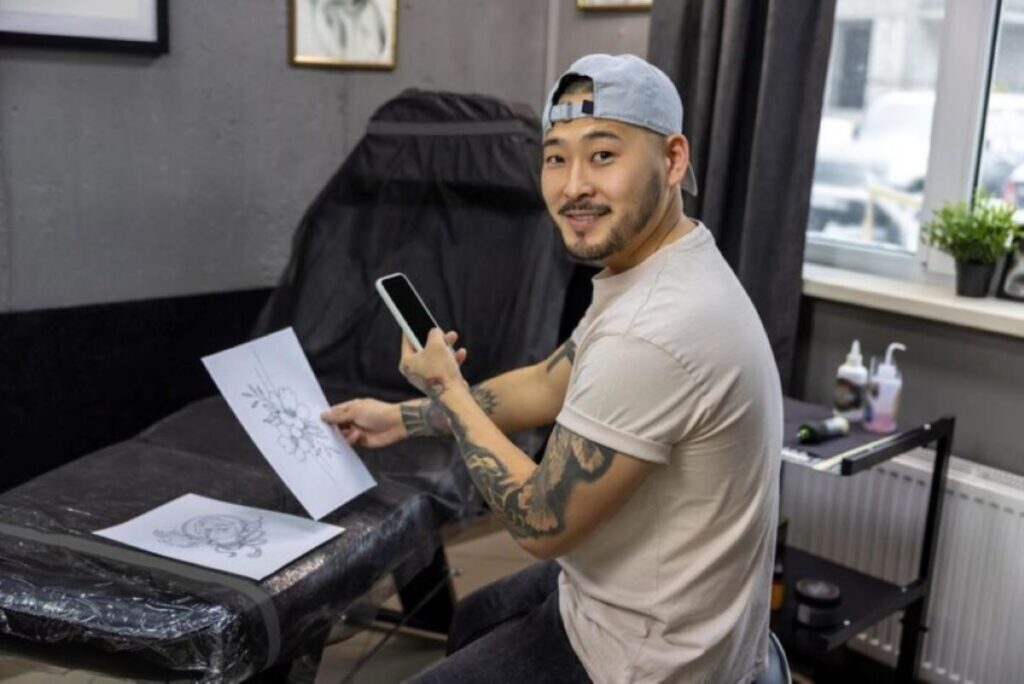
What aftercare support should a good shop provide?
They should receive clear, written aftercare instructions and have an easy way to ask questions during healing. A quality shop will explain normal healing stages and warning signs that require medical advice.
They should also clarify touch up policies. Some shops include a touch up window, while others price it separately, and neither is “wrong” if it is explained upfront.
How do they make the final decision with confidence?
They should choose the shop where the work quality matches their style, hygiene standards feel unquestionable, and communication feels calm and professional. If they feel pressured, confused, or dismissed, it is usually a sign to keep looking.
The best Eastern Suburbs tattoo shop for them is the one that makes the process feel safe, clear, and well run, and leaves no doubt about the artist behind the needle.
FAQs (Frequently Asked Questions)
What are the key factors to consider when choosing an Eastern Suburbs tattoo shop?
Choosing an Eastern Suburbs tattoo shop is primarily about trust. Look for a studio that delivers safe work, strong design, and provides a positive experience from consultation through aftercare. Prioritize portfolio quality, hygiene standards, clear communication, and professionalism to ensure a confident decision.
How can I determine if a tattoo artist’s style matches my desired design?
Review the artist’s portfolio for tattoos that resemble your concept in both subject and technique. Focus on consistency across multiple clients rather than just standout pieces. Ensure the artist specializes in the style you want—whether fine line, realism, or traditional—to achieve the best results.
Why is it important to see healed tattoos instead of just fresh ones?
Healed tattoos reveal the true outcome by showing how lines settle and shading holds over time. Fresh tattoos may look perfect due to bright skin and ideal lighting, but healed work demonstrates the artist’s skill and transparency. Don’t hesitate to ask to see healed examples during your consultation.
What hygiene and safety practices should I expect at a reputable tattoo studio?
A clean workspace with sealed or single-use needles, barrier protection on high-touch surfaces, fresh gloves opened in front of you, proper sharps disposal, and clear sterilization protocols are essential. Any casual or unclear practices should be treated as serious warnings when selecting a studio.
How do licenses, certifications, and compliance impact my choice of tattoo shop?
Licenses and certifications indicate that the shop operates within local health regulations and maintains professional standards. A reputable Eastern Suburbs tattoo shop will openly share compliance information and confidently answer safety questions, which aligns with safer tattooing outcomes.
What questions should I ask during my tattoo consultation to ensure clarity and confidence?
Ask who will perform your tattoo, how your design will be created, what changes are included before the appointment, placement advice, sizing recommendations, expected session length, pain considerations, and aftercare steps. A thorough consultation should leave you feeling informed without pressure.